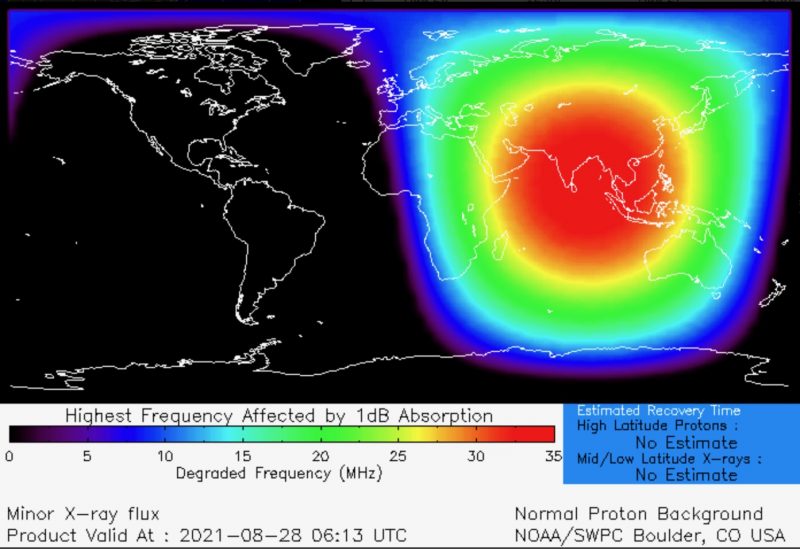
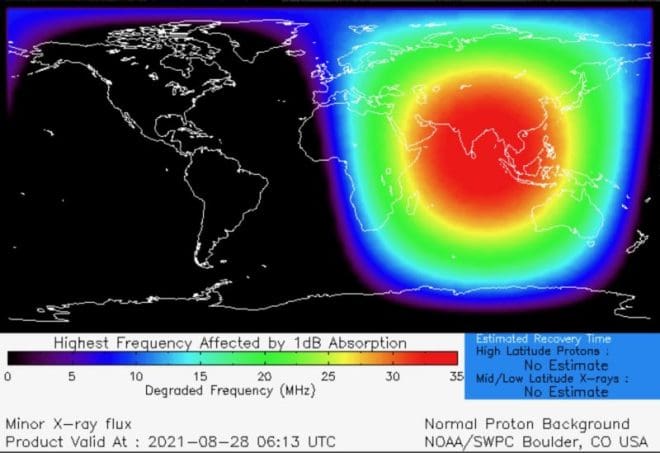
[Alex on EARTHSKY.ORG] Aurora alert! A pair of coronal mass ejections will reach Earth September 1-2, 2021. Though not dangerous to satellites or the grid, they might cause auroras.
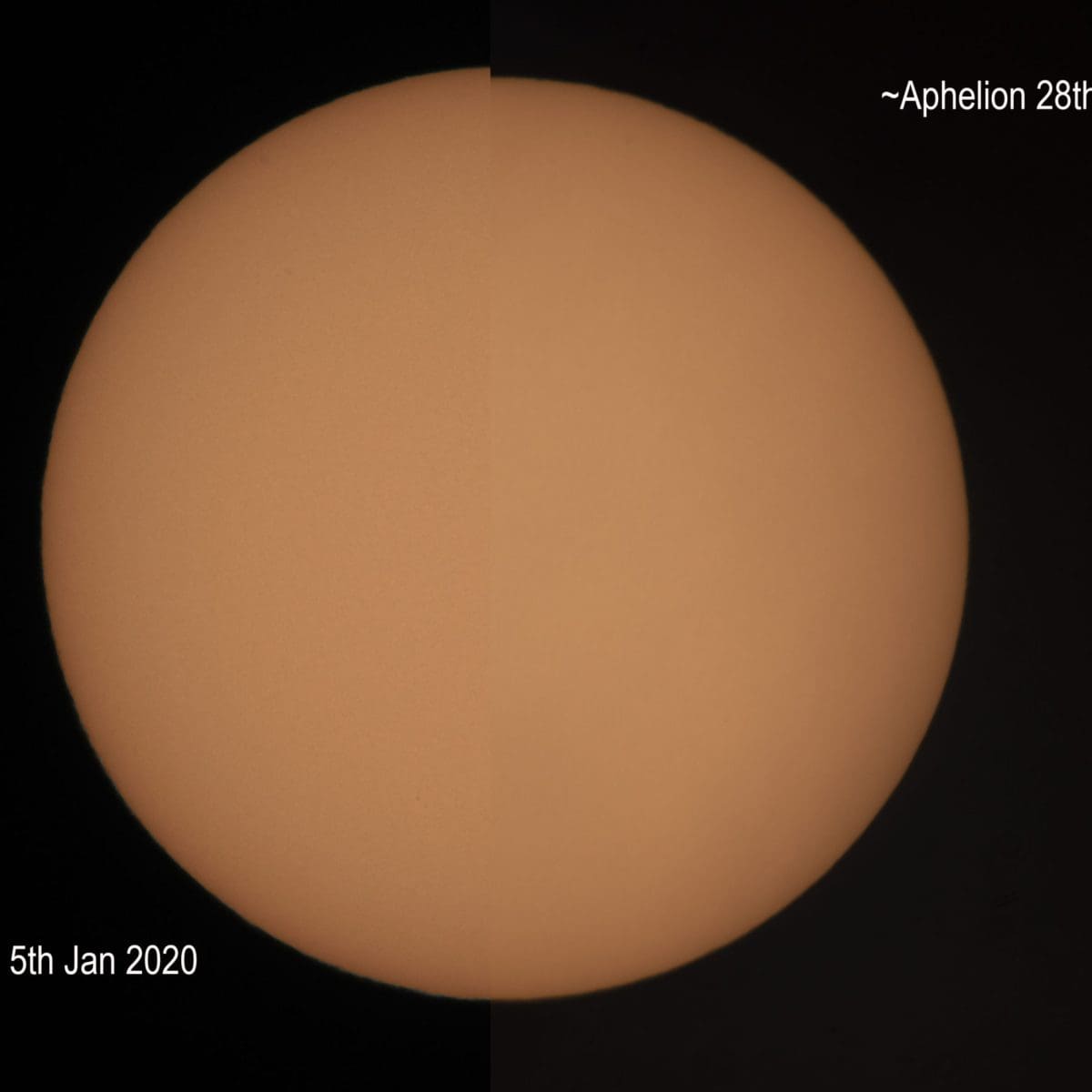
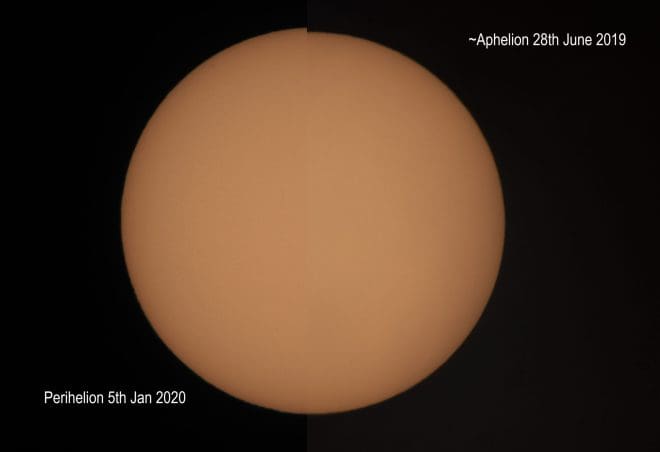
This farthest point occurs July 5, 2021, at 6:27 pm EDT or 10:27 pm UTC. At that time the distance from Earth’s center to the Sun’s center will be 94,510,886 miles (152,100,527 km).
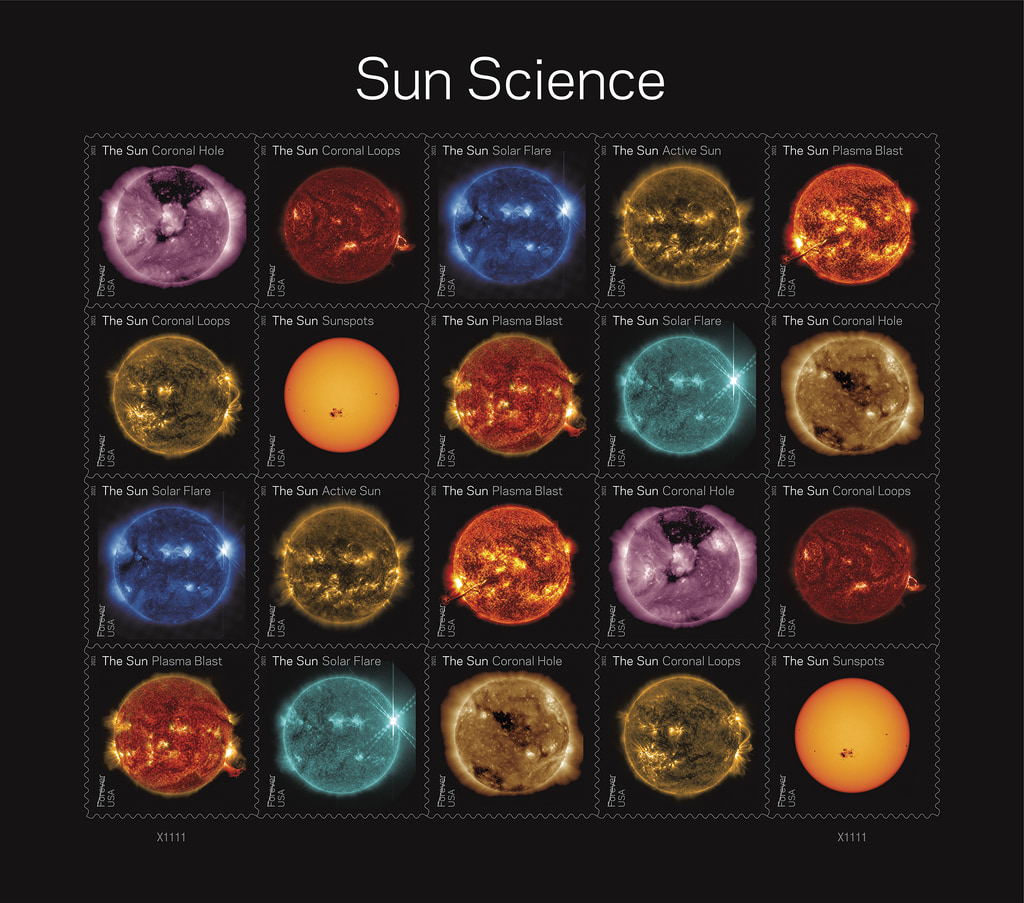
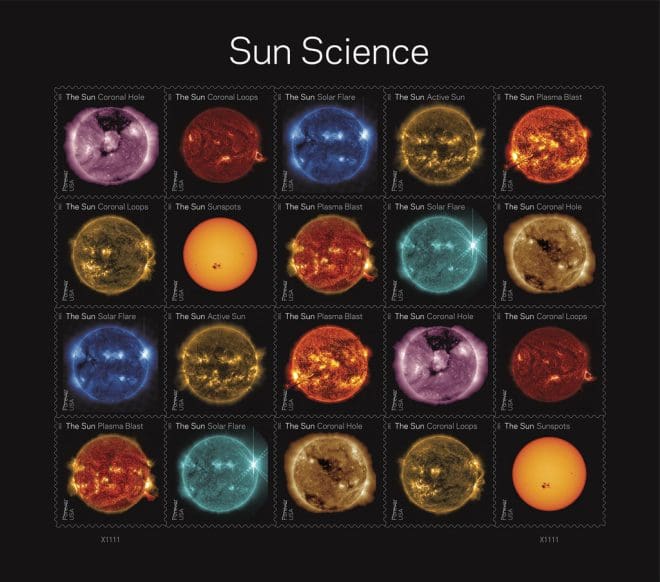
What a great way to celebrate the Sun's importance in our lives—a stamp series from the United States Postal Service. #SunScienceStamps #NASASunScience
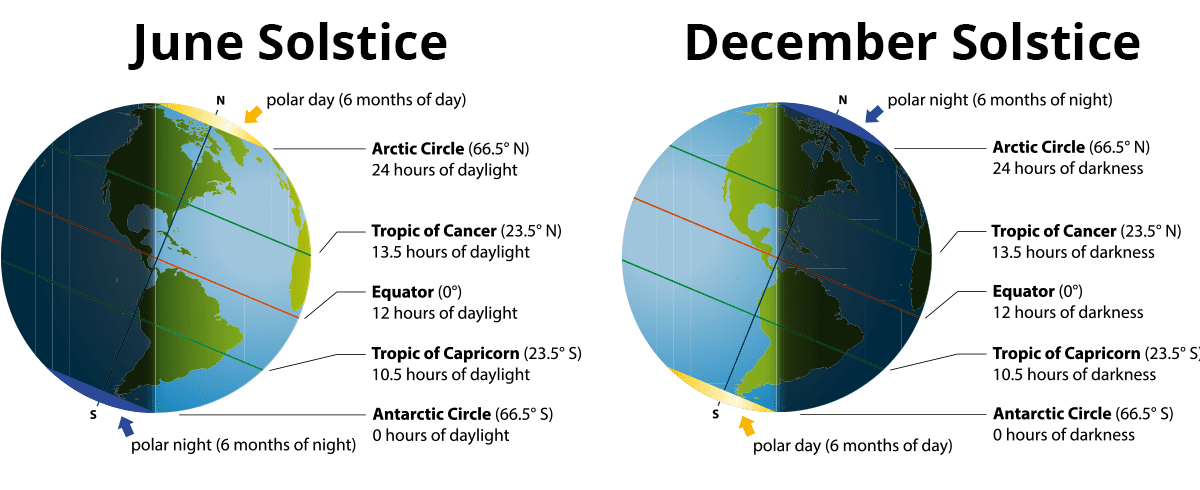
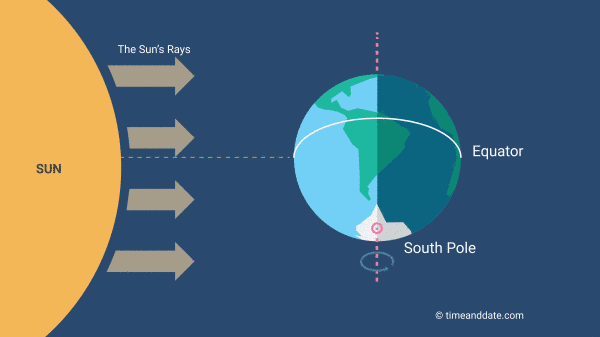
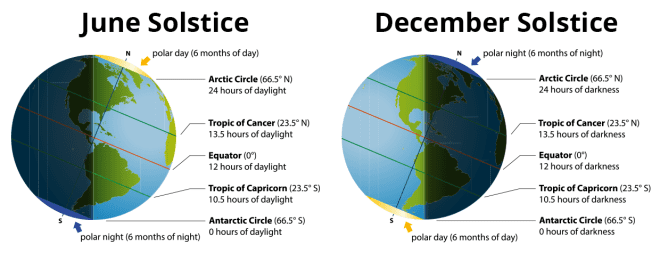
The June Solstice for 2021 occurs on June 21st at 3:22 UTC (11:32 pm EDT on June 20th). It is the beginning of summer for the northern hemisphere and winter for the southern hemisphere.
Special recap from co-founder of The Sun Today: "I had a serenade of 17-year-cicadas! Total solar eclipses have the 360-degree sunset effect, but I had the 360-degree sunrise+cicada effect. Truly spectacular!"
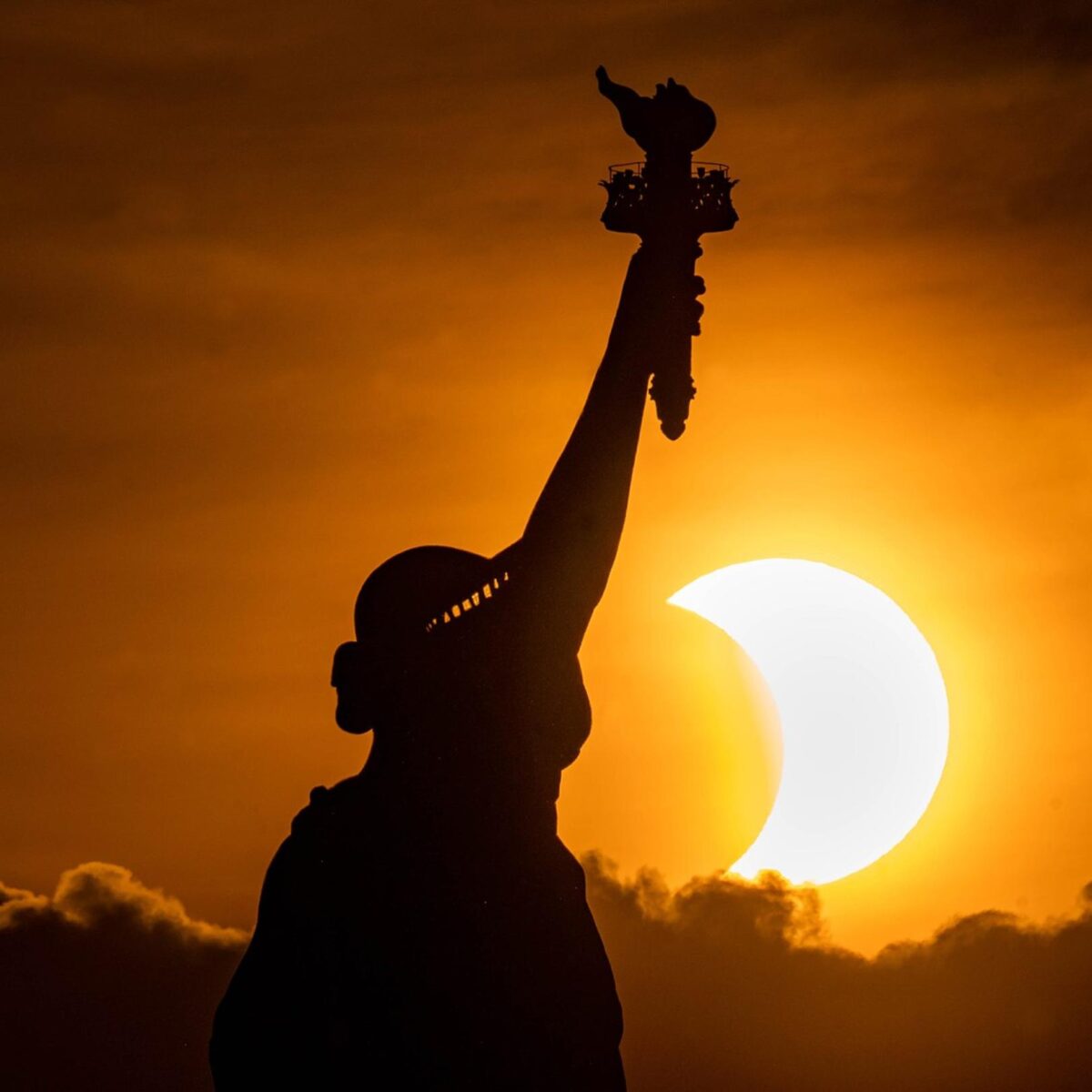
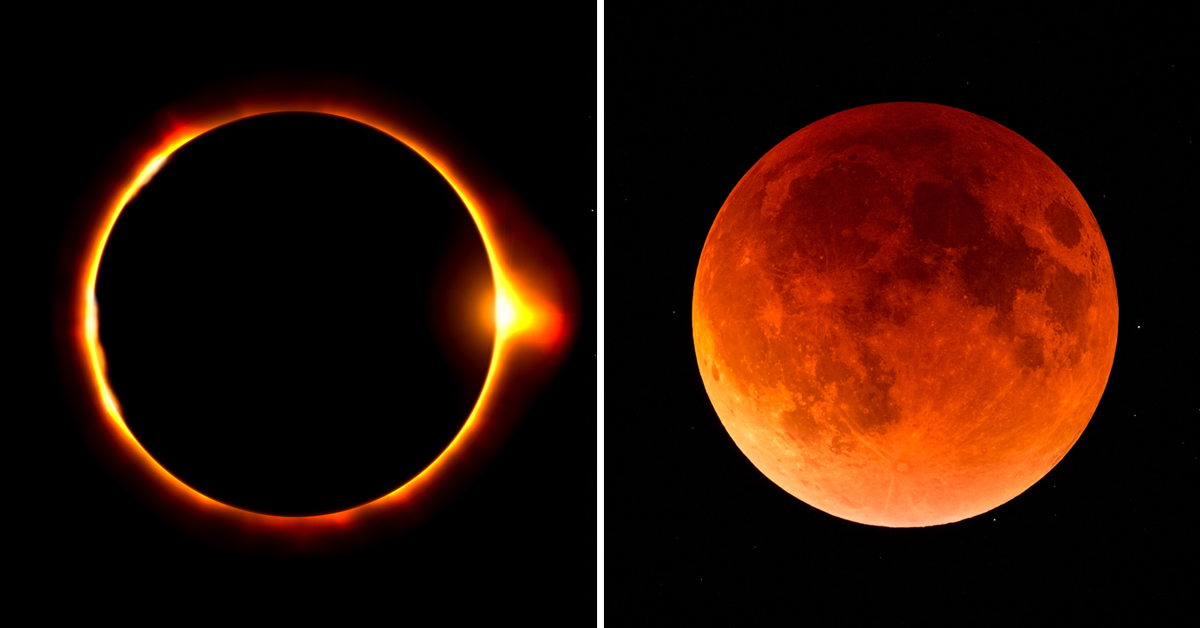
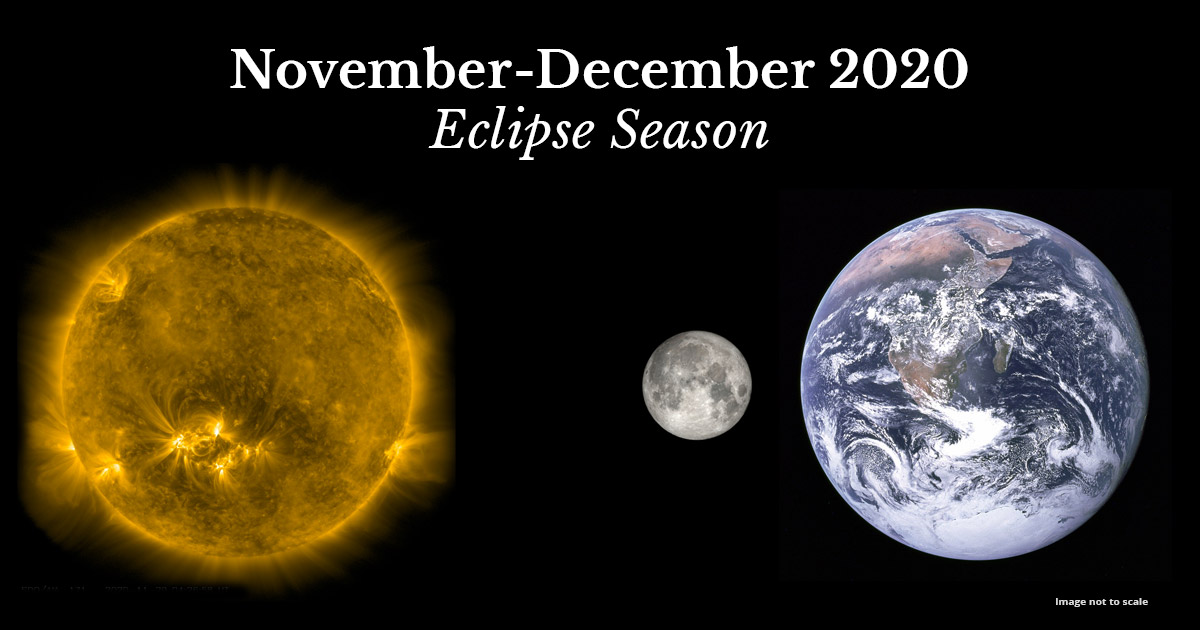
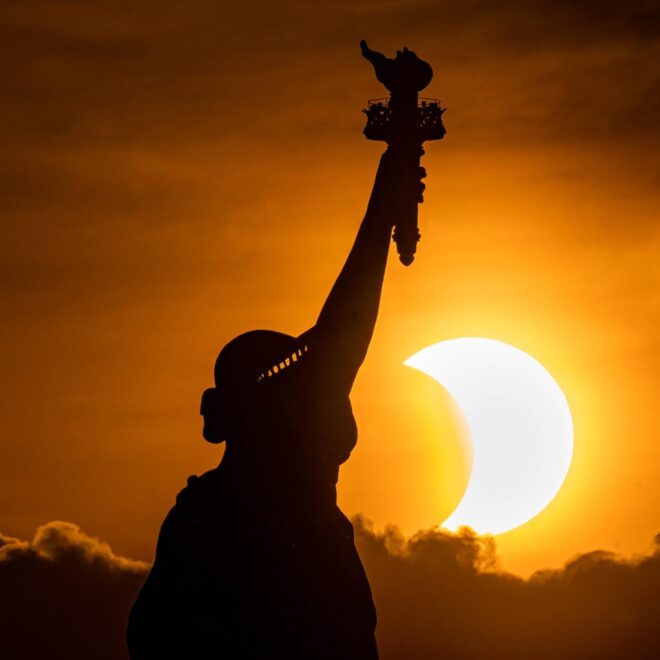
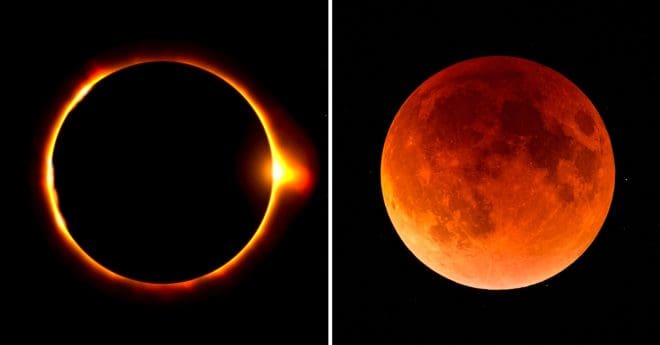
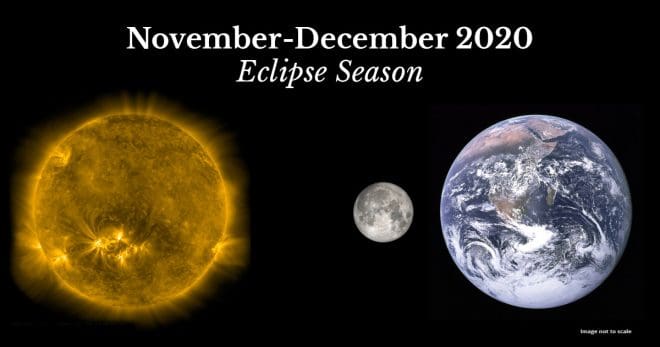
Every year we get a collection of 4 to 7 eclipses somewhere on Earth, either lunar, solar, partial, or total. These eclipses come in seasons, a 35-day period with typically two eclipses sometimes three. There are usually two seasons per year. 2021 has two.
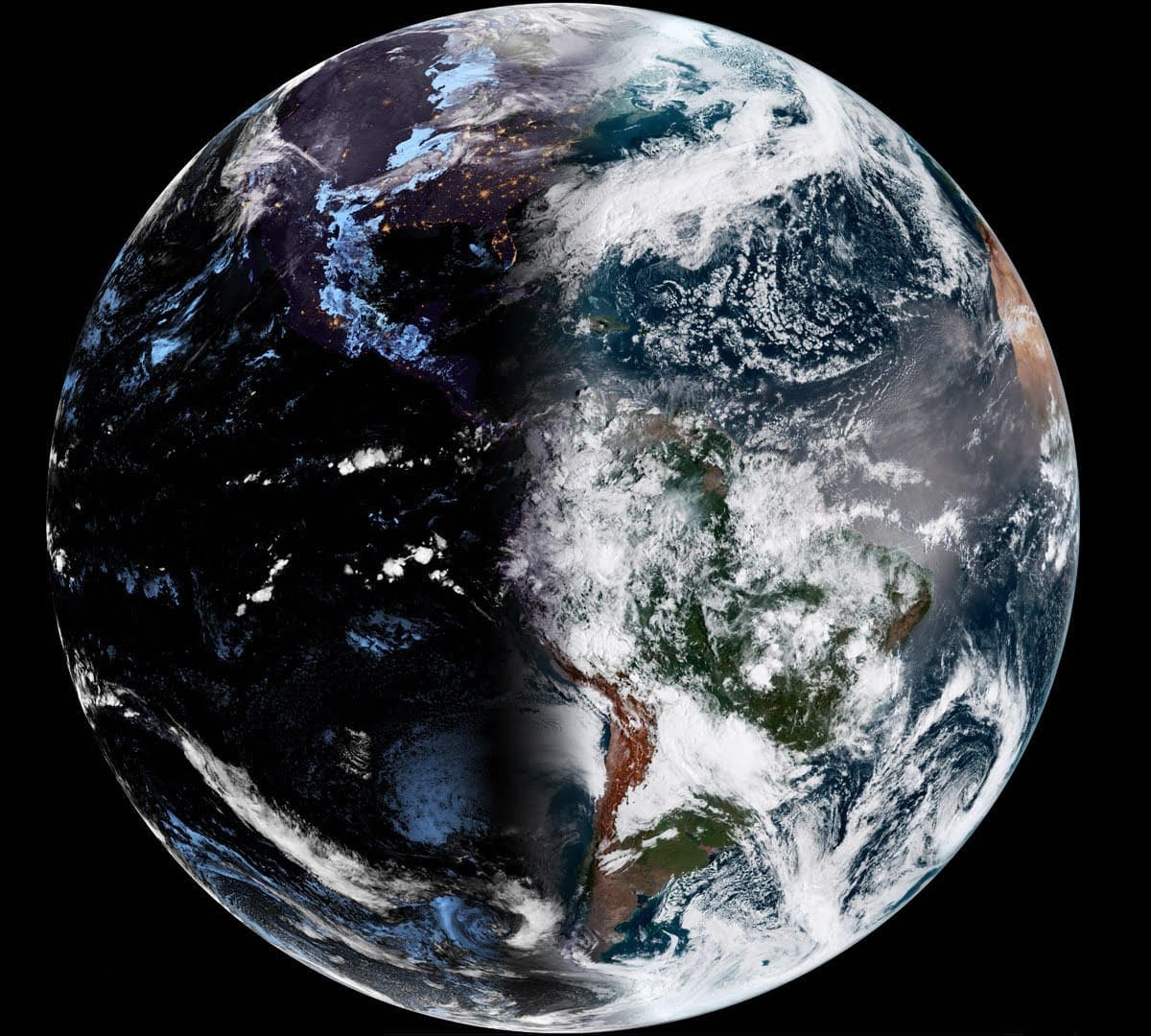
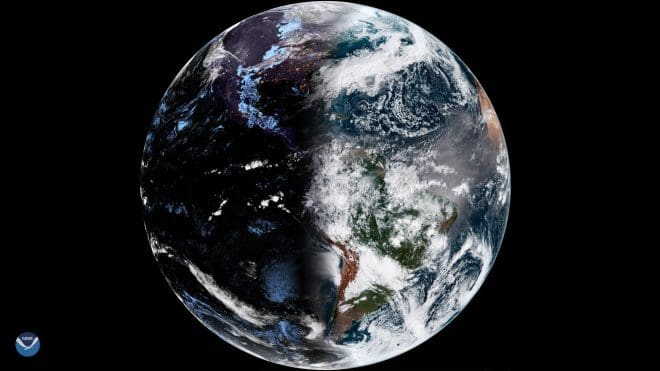
WHOOO HOO! It’s a change of season! The next Equinox occurs on March 20, 2021, at 9:36 UT (5:36 am ET). It’s the Vernal (Spring) equinox for the Northern Hemisphere! It’s the Autumnal (Fall) equinox for the Southern Hemisphere! But […]
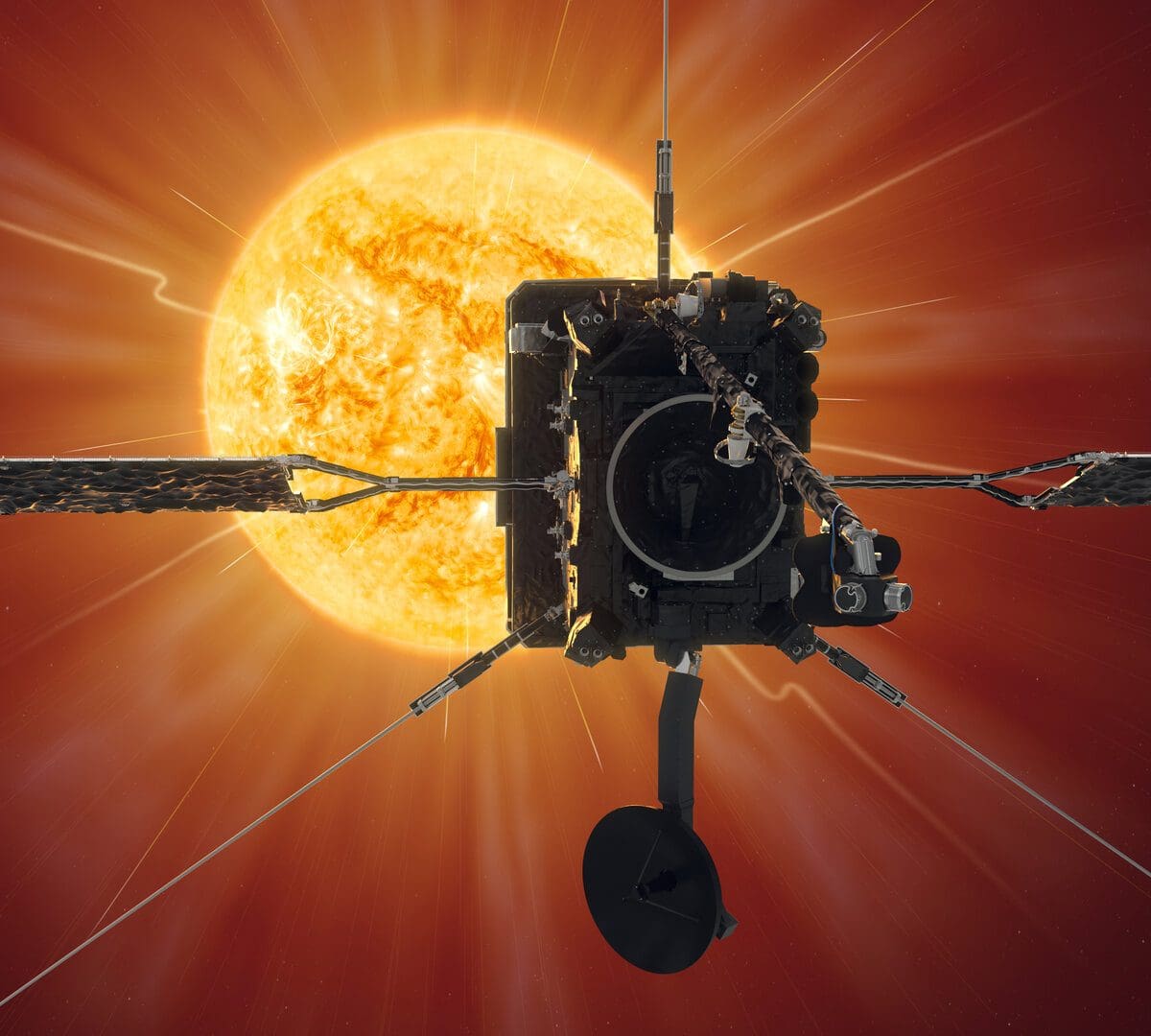
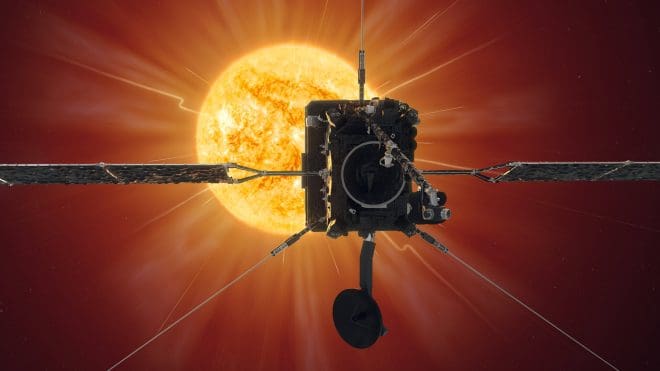
February 9, 2021 marks the one year anniversary of the launch of the ESA/NASA Solar Orbiter Mission. It was launched from Kennedy Space Center at 11:03 pm ET on February 9, 2020. This mission is a single spacecraft designed with […]
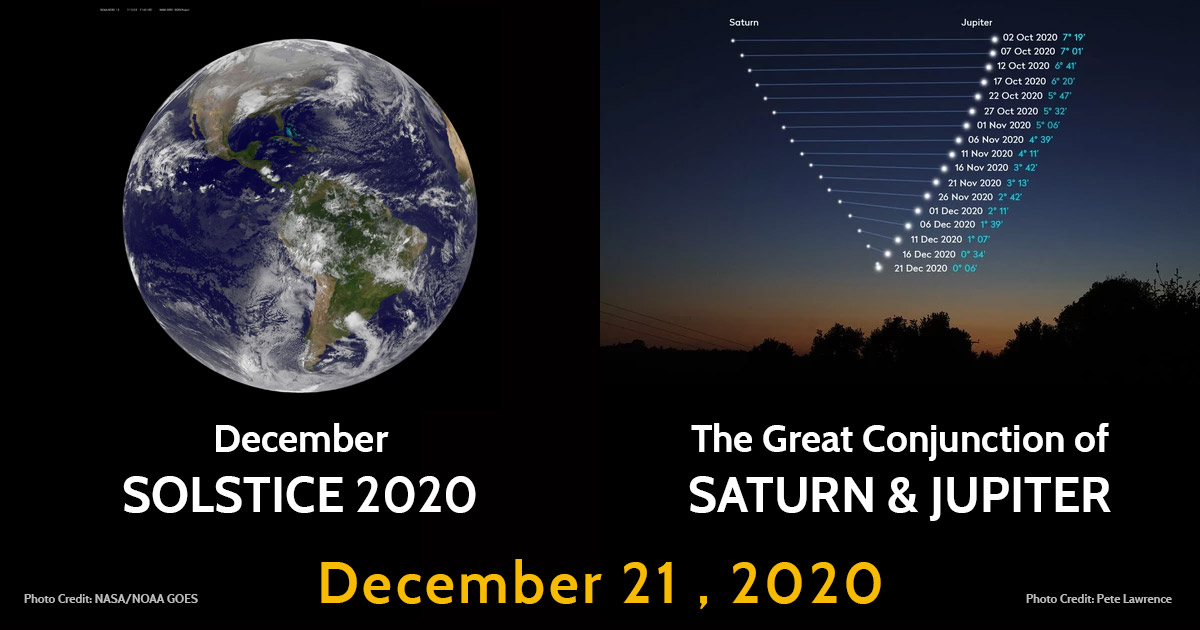
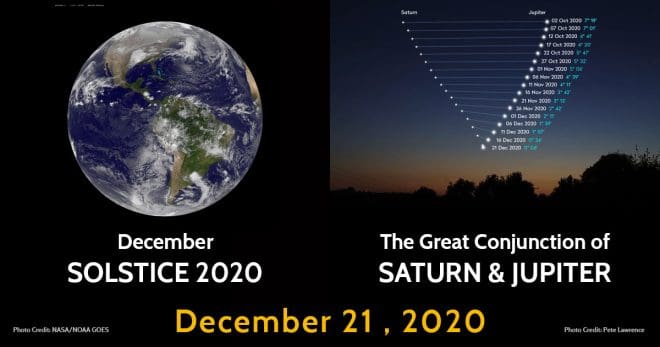
December 21, 2020 is an amazing day for astronomy lovers! It's the December Solstice and the Great Conjunction of Saturn & Jupiter. Here's how they connect and some easy suggestions for making your own observations of the sky.
This marks the beginning of fall for the Northern Hemisphere and the beginning of spring for the Southern Hemisphere. The change happens at 9:30 a.m. EDT (1330 UTC/GMT) on Tuesday, September 22.
Happy Aphelion 2020! July is summer in the northern hemisphere and you might think this means we are closer to the Sun. This is a common misconception. Earth is actually farther from the Sun in July and on July 4th […]