Dive into the cosmic events where celestial bodies align in awe-inspiring ways. Eclipses—both solar and lunar—create dramatic moments of shadow and light, while transits, like those of planets crossing the Sun, offer rare opportunities to observe our solar system in motion. These events captivate and connect us to the rhythms of the cosmos.
On March 20, 2015 a supermoon total solar eclipse occurs in the Faroe Islands and Svalbard (Norway), and a partial solar eclipse in Europe, northern and eastern Asia and northern and western Africa. The eclipse starts at 07:41 UT and ends […]
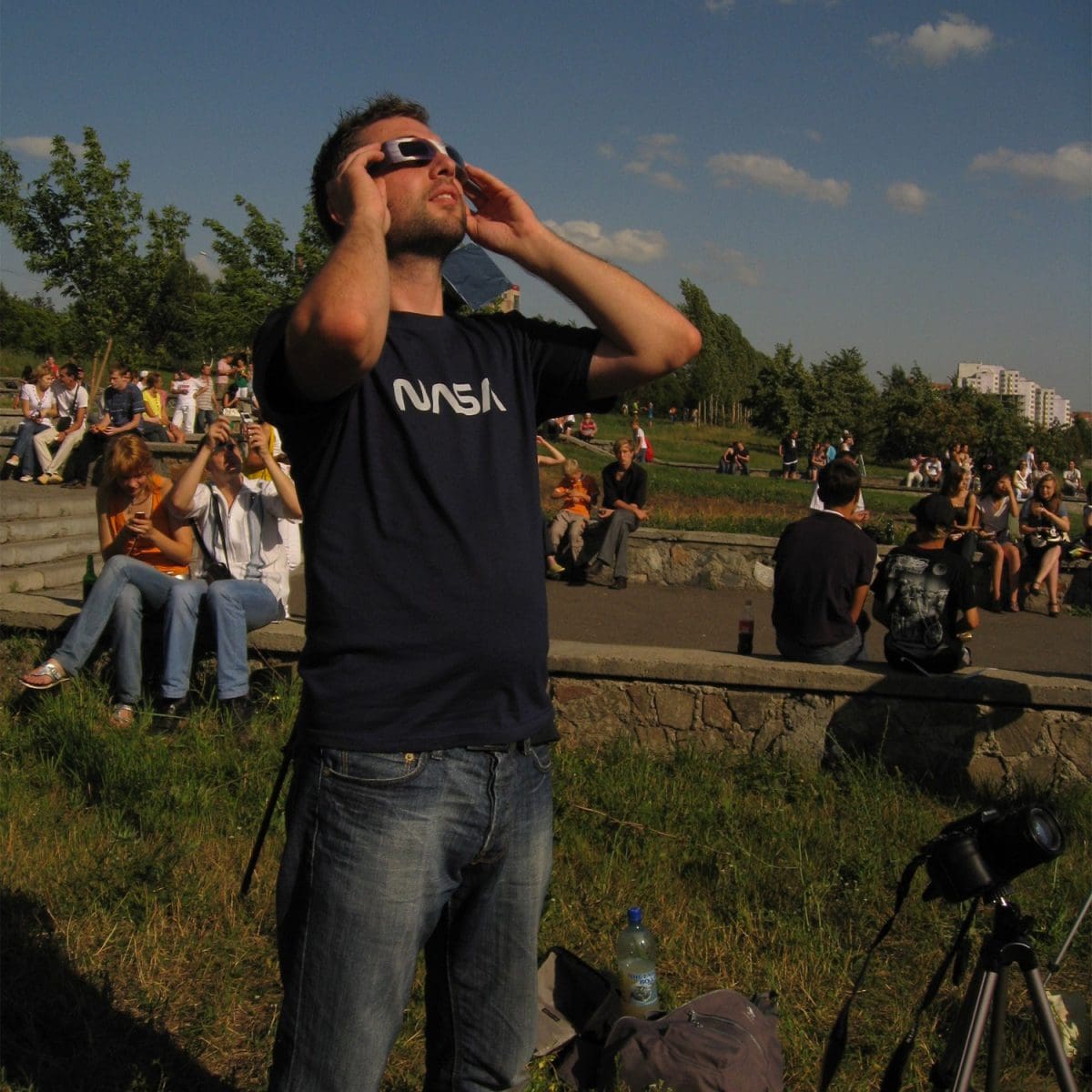
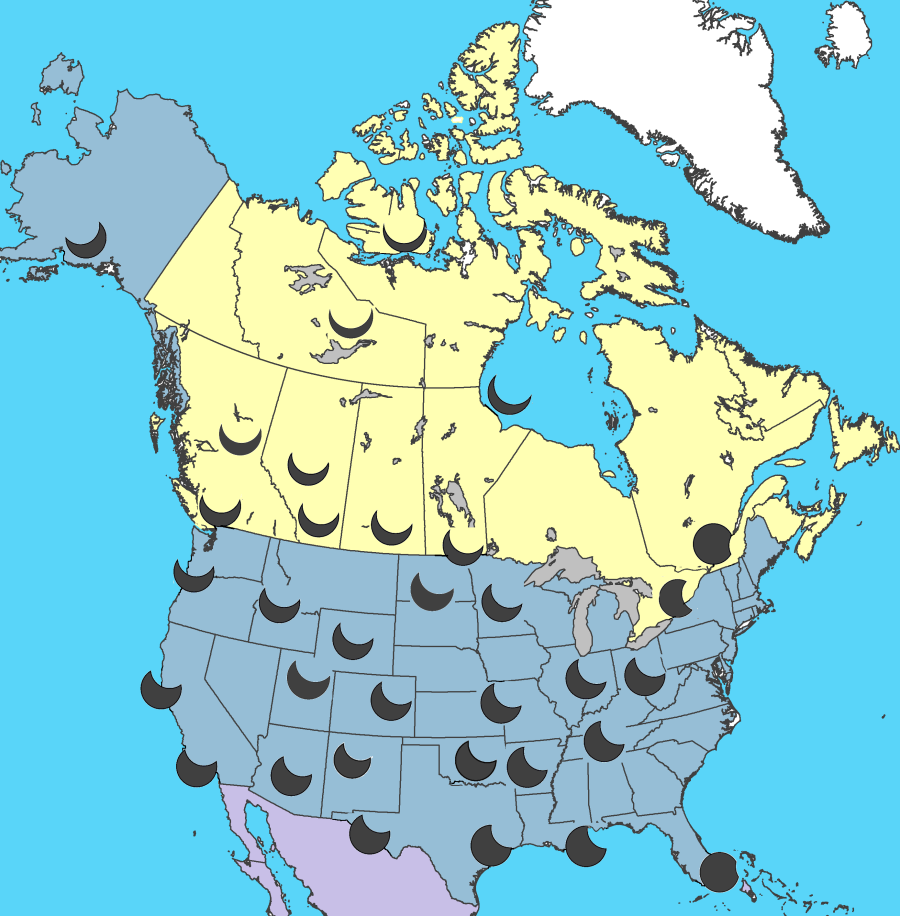
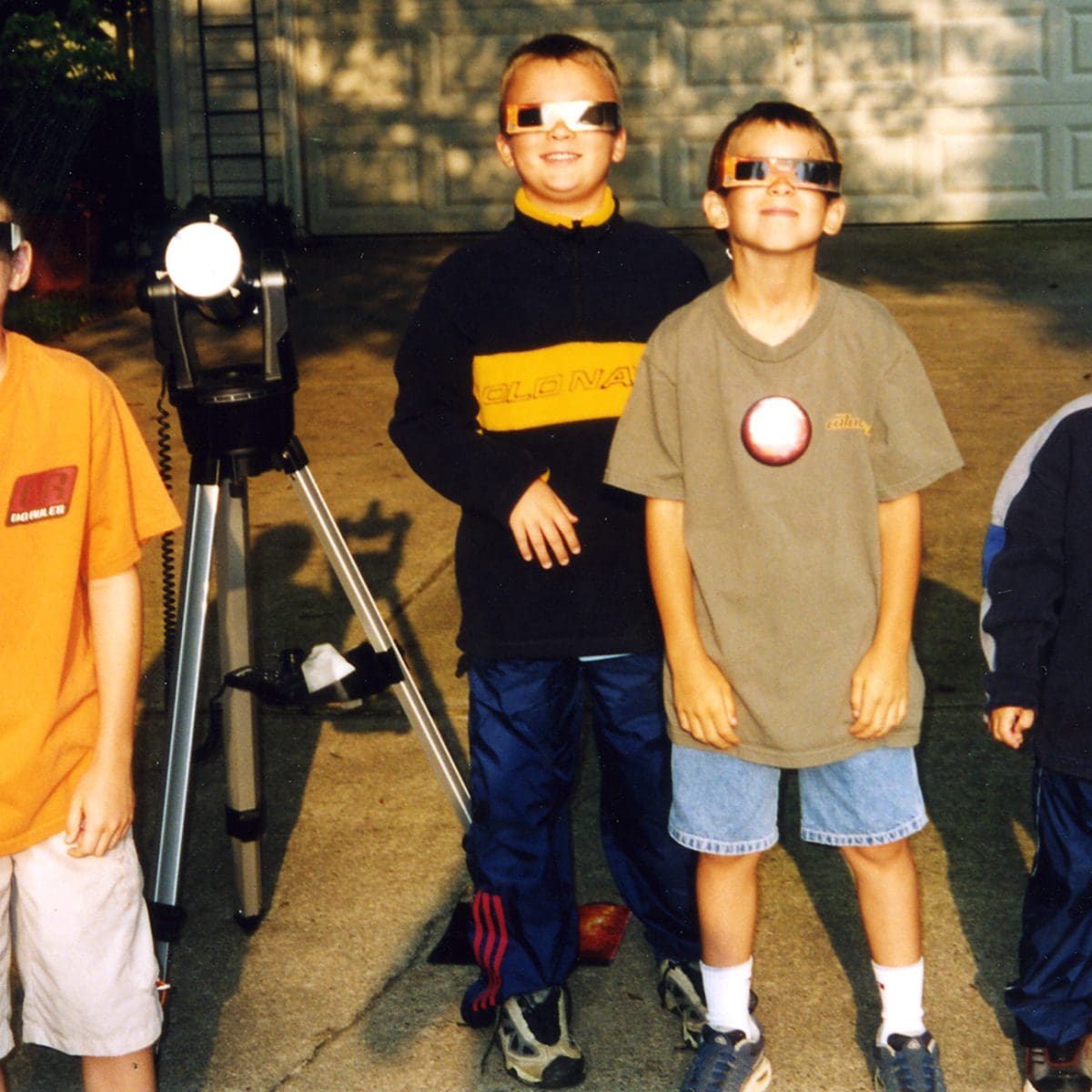
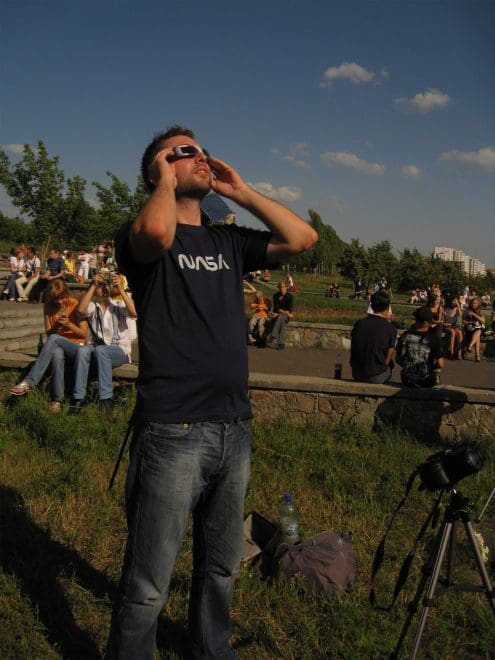
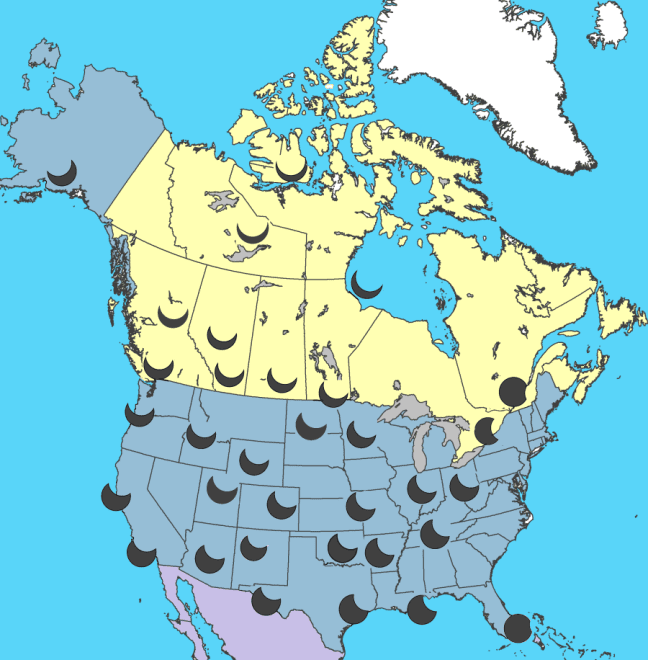
On Oct. 23, 2014 a partial solar eclipse will be visible to most of North America in the late afternoon. This is the last eclipse of 2014. Never look at the sun or an eclipse directly! Eye safety during solar eclipses […]
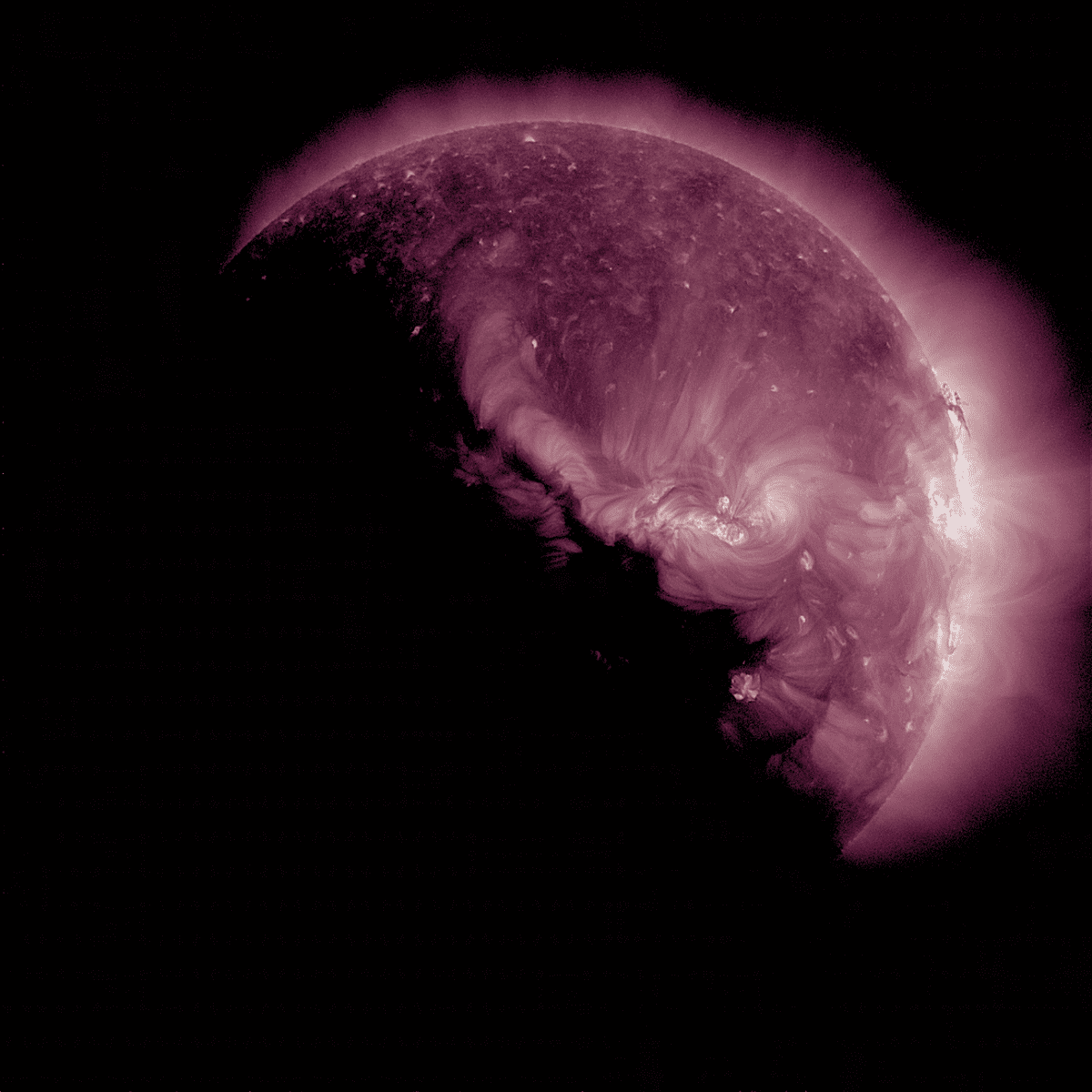
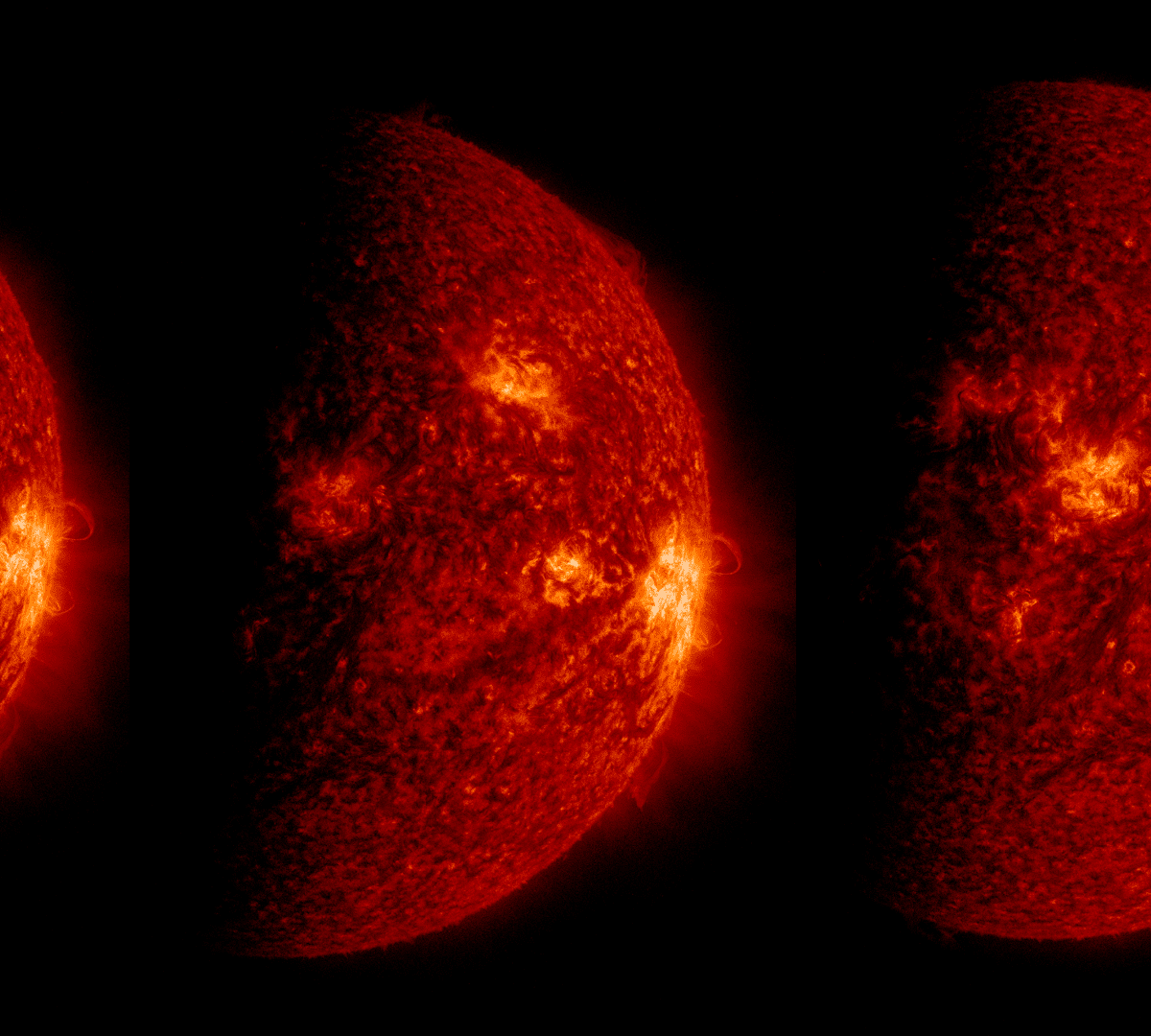
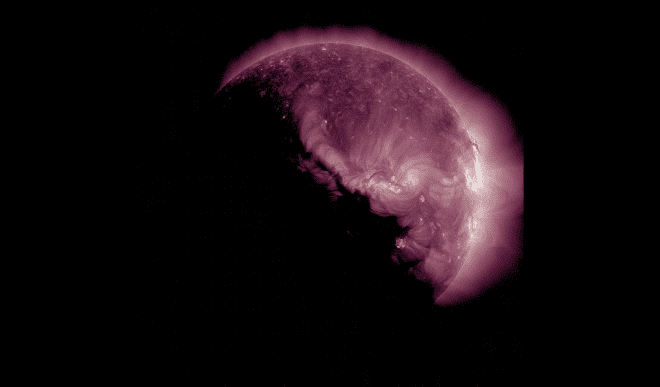
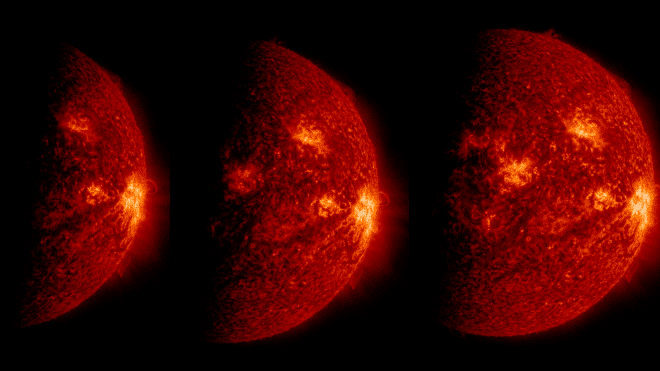
The Fall 2014 Eclipse SDO Eclipse Season starts today. Around 7:30 UT (2:30 EDT) each day for the next 3 weeks (until Sept. 21), Earth will pass between the Solar Dynamics Observatory (SDO) and the sun. The first eclipse is only […]
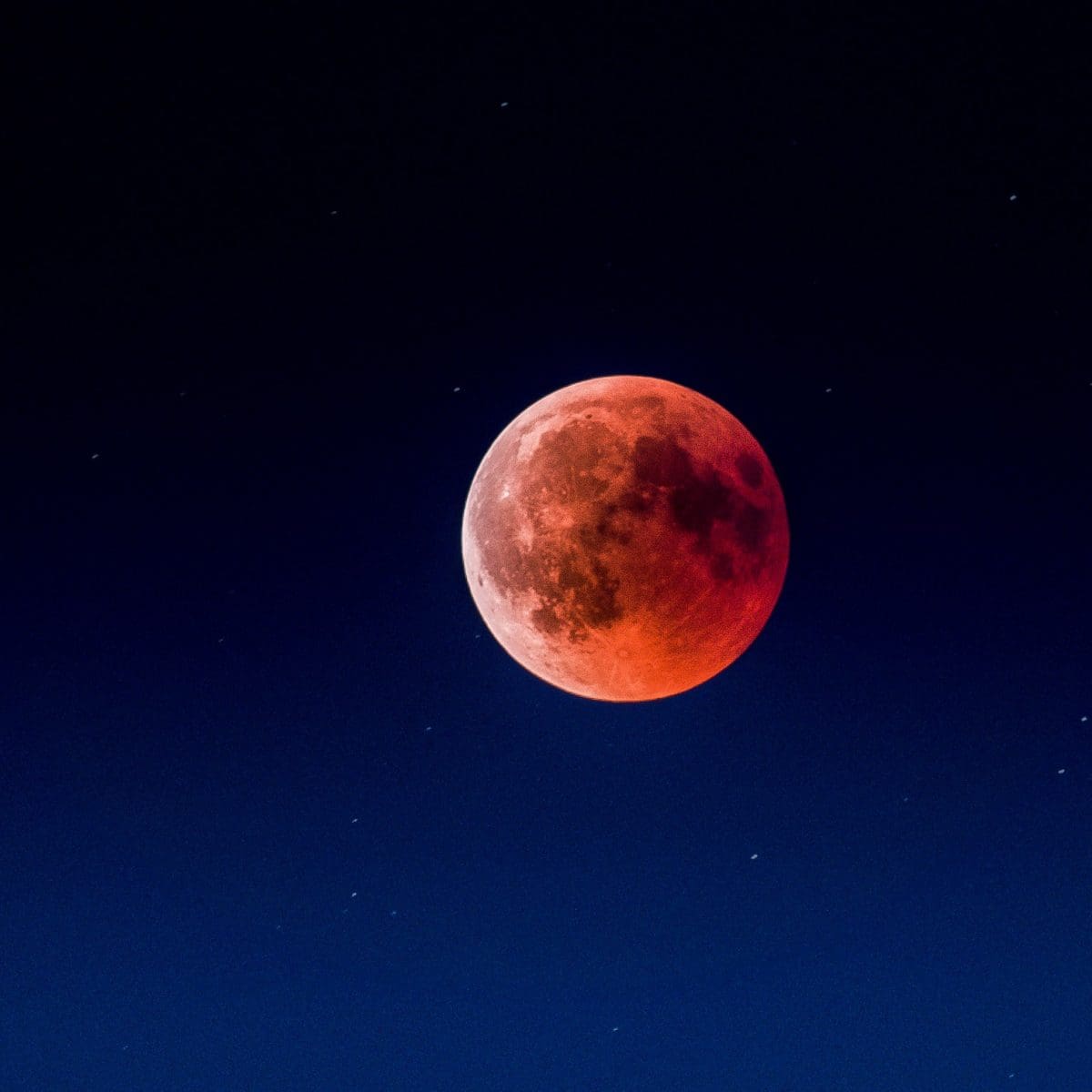
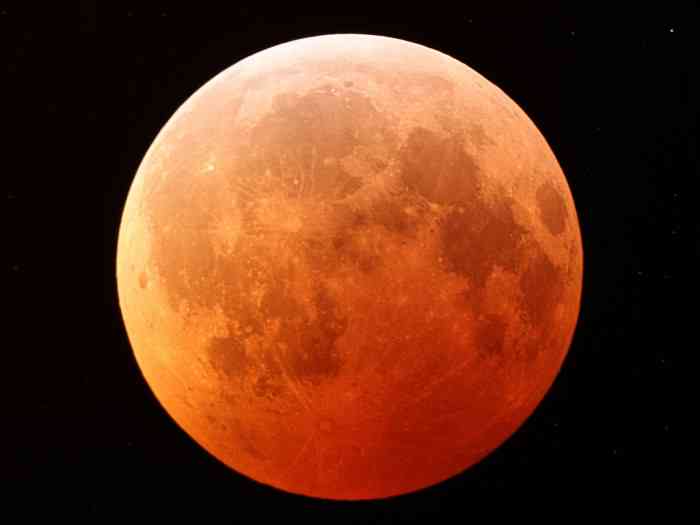
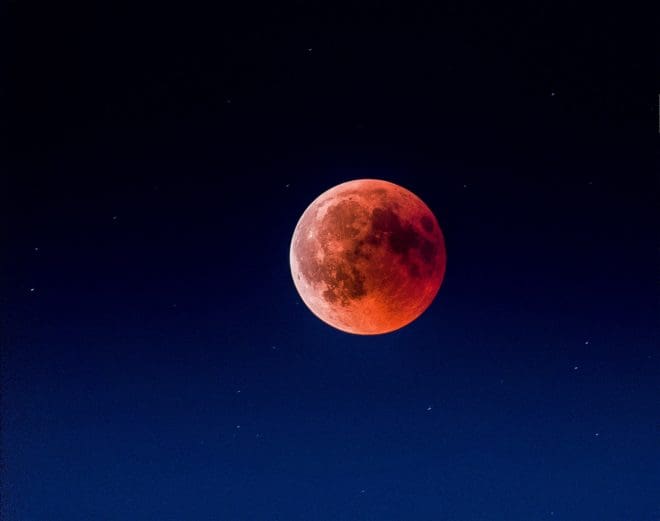
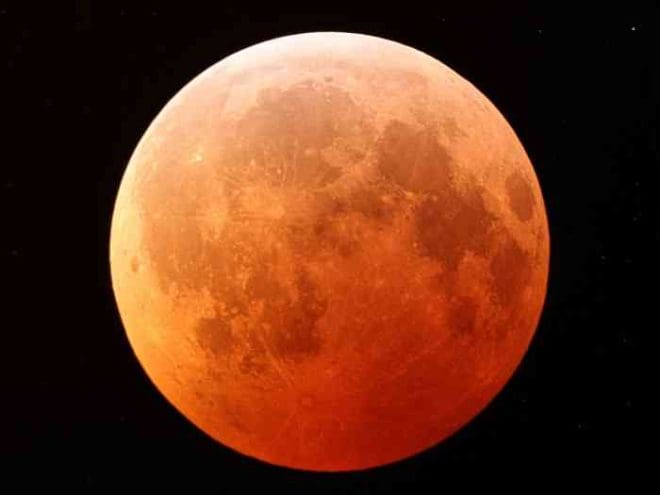
During the nighttime hours of April 14 or 15 (depending on your time zone), the full moon will pass through Earth's dark or inner shadow (umbra) creating a total lunar eclipse for most of North and South America.
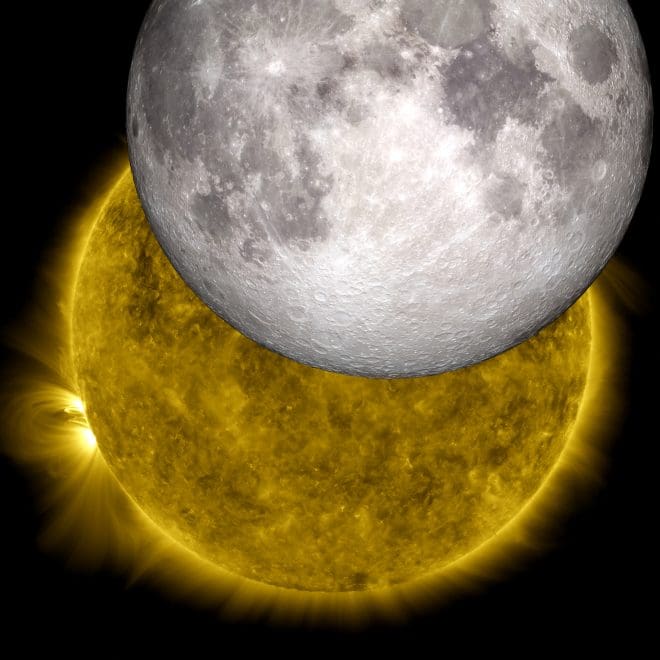
It’s that time of year. SDO spring eclipse season started February 27, 2014. During the 3 week season, Earth will pass between SDO and the Sun around 07:30 UT each day. Initially the eclipses are a few minutes long. Their […]
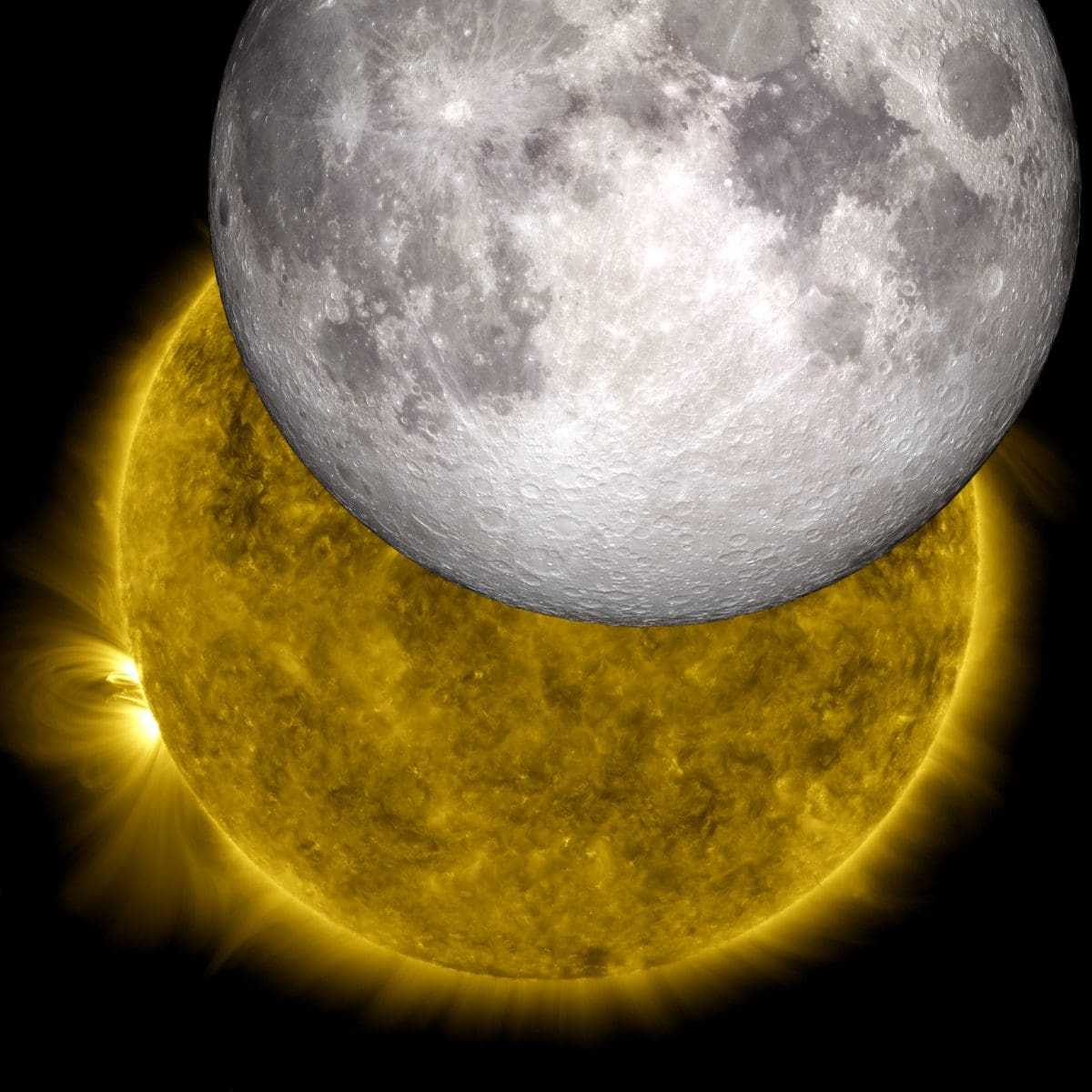
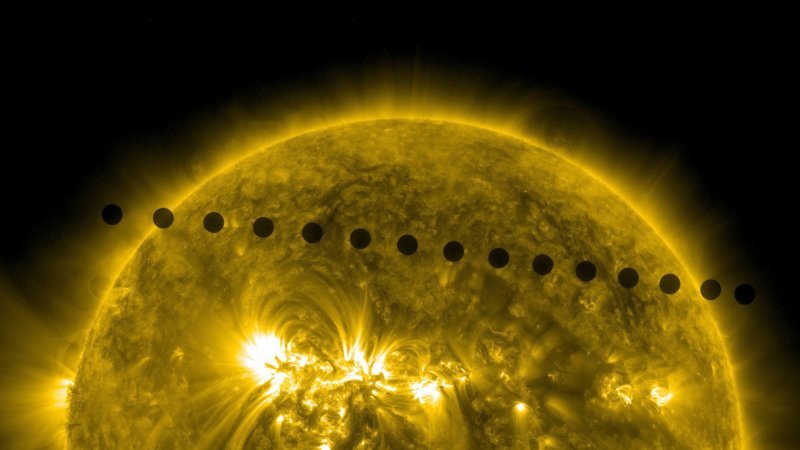
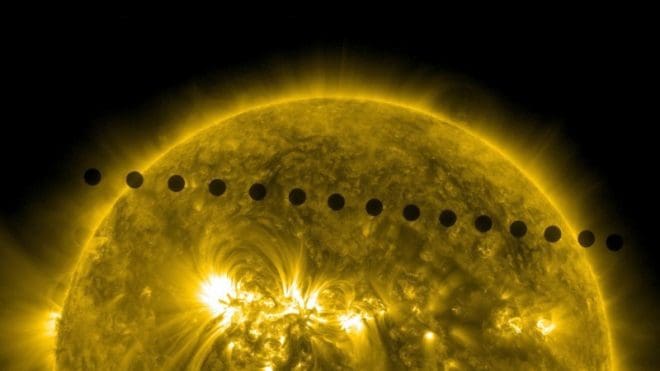
UPDATES 16:17 UT (11:17 UT) – The transit ends with a bang! – an M6.6 flare peaked at 16:11 from AR11967. These images are from just before the flare peak at around 16:00 UT (11:00 EST) again in all 9 SDO/AIA wavelengths. […]
There will be a hybrid solar eclipse on Sunday November 3, 2013. This rare occurrence of an annular and total eclipse is the final eclipse event of 2013. Never look at the sun or an eclipse directly! Eye safety during solar […]
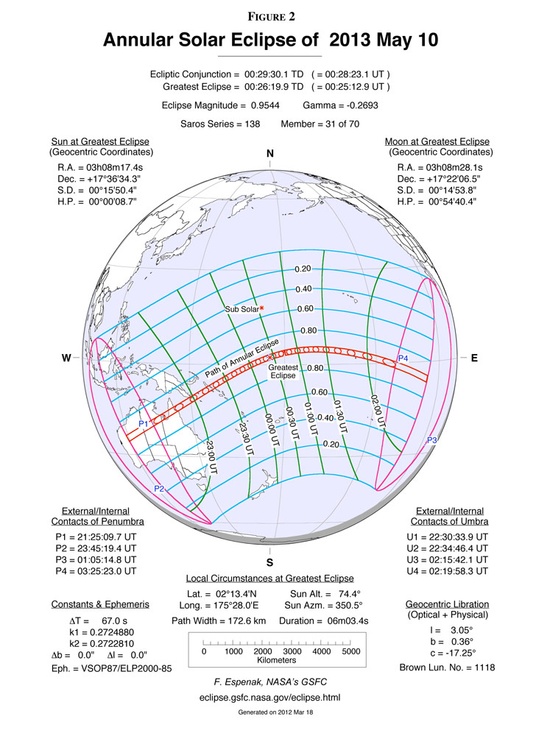
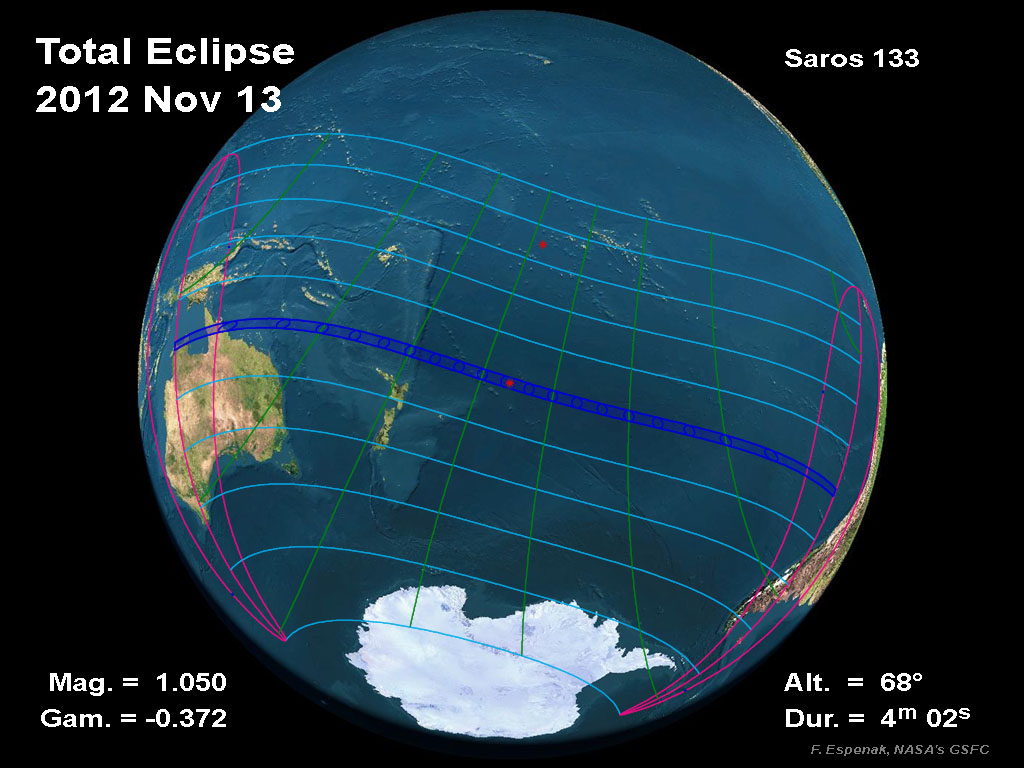
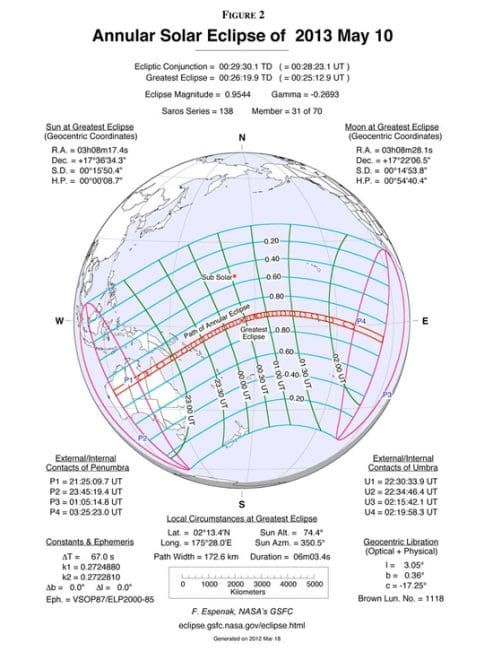
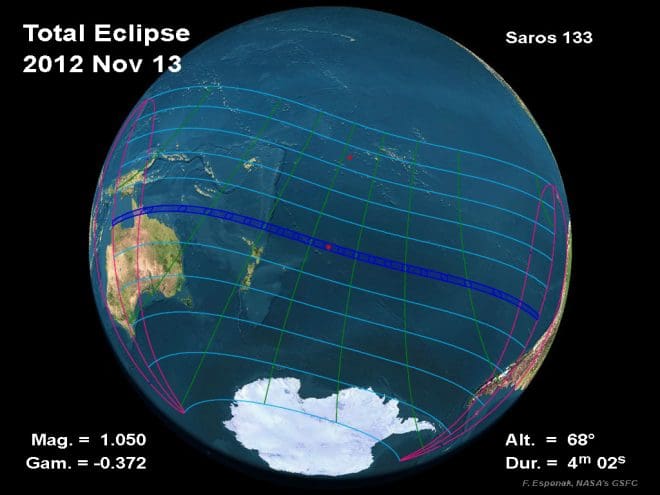
The eclipse will be visible from a 171 to 225-kilometer-wide track that traverses Australia, eastern Papua New Guinea, the Solomon Islands, and the Gilbert Islands.
A total eclipse of the Sun will be visible on November 13/14, 2012 in a narrow path across the southern hemisphere. The Moon’s umbral shadow starts in northern Australia following a path across the South Pacific Ocean without crossing […]
Venus transits in front of the sun are rare spectacles when viewed from Earth. It won’t happen again in our lifetime! It is the rarest predictable astronomical event, occurs 4 times every 234 years!
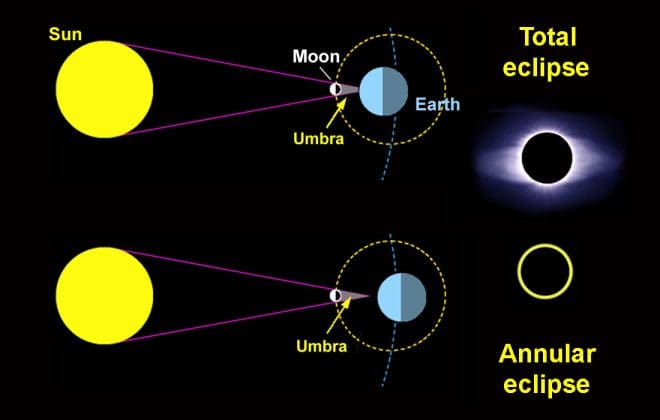
During the annular eclipse the Moon will travel in front of the Sun blocking most of its light—except for what looks like a 'Ring of Fire' around the Moon's edge. (Image Credit: Steele Hill)