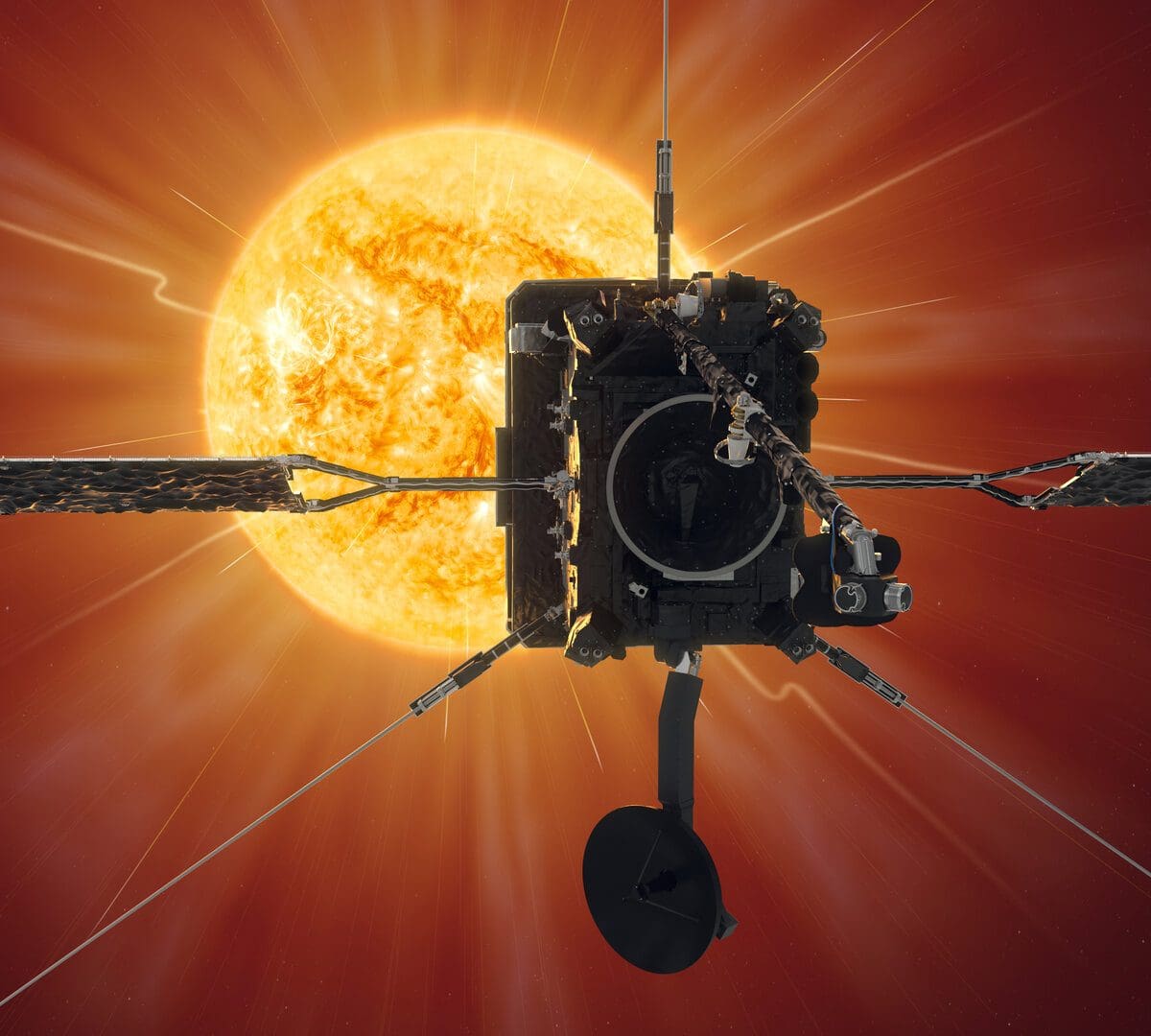
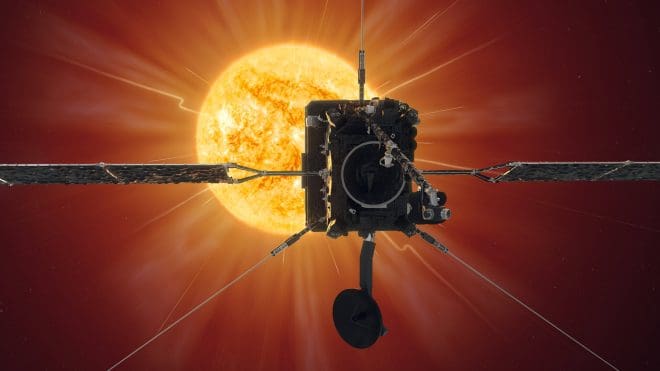
February 9, 2021 marks the one year anniversary of the launch of the ESA/NASA Solar Orbiter Mission. It was launched from Kennedy Space Center at 11:03 pm ET on February 9, 2020. This mission is a single spacecraft designed with […]
01:22 UT – AR12113 produced an M1.2 flare that peaked in GOES X-ray at 00:26 UT Type II radio emission was detected at 00:29 UT. This emission is associated with a solar eruption and typically indicate a coronal mass ejection […]
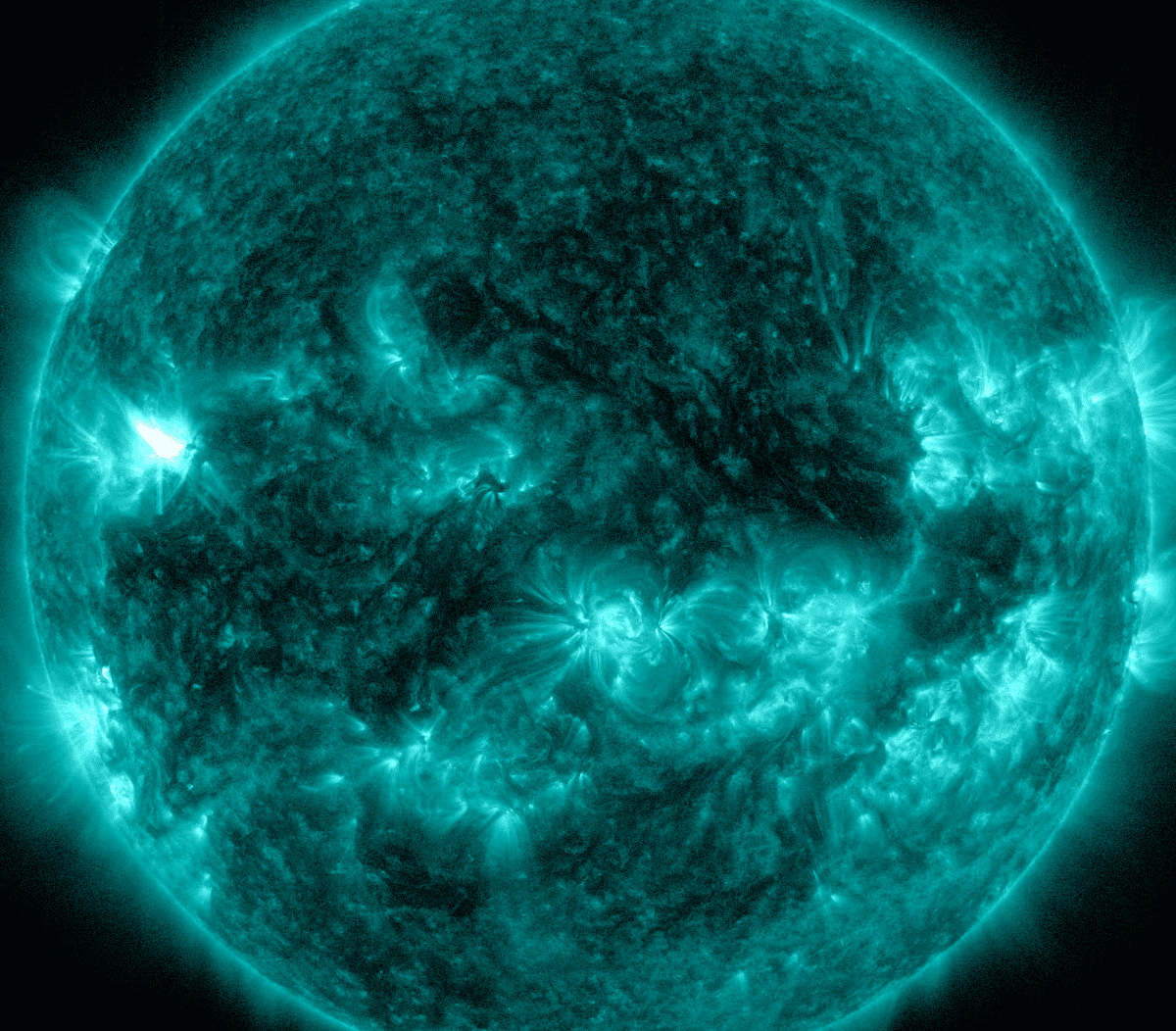
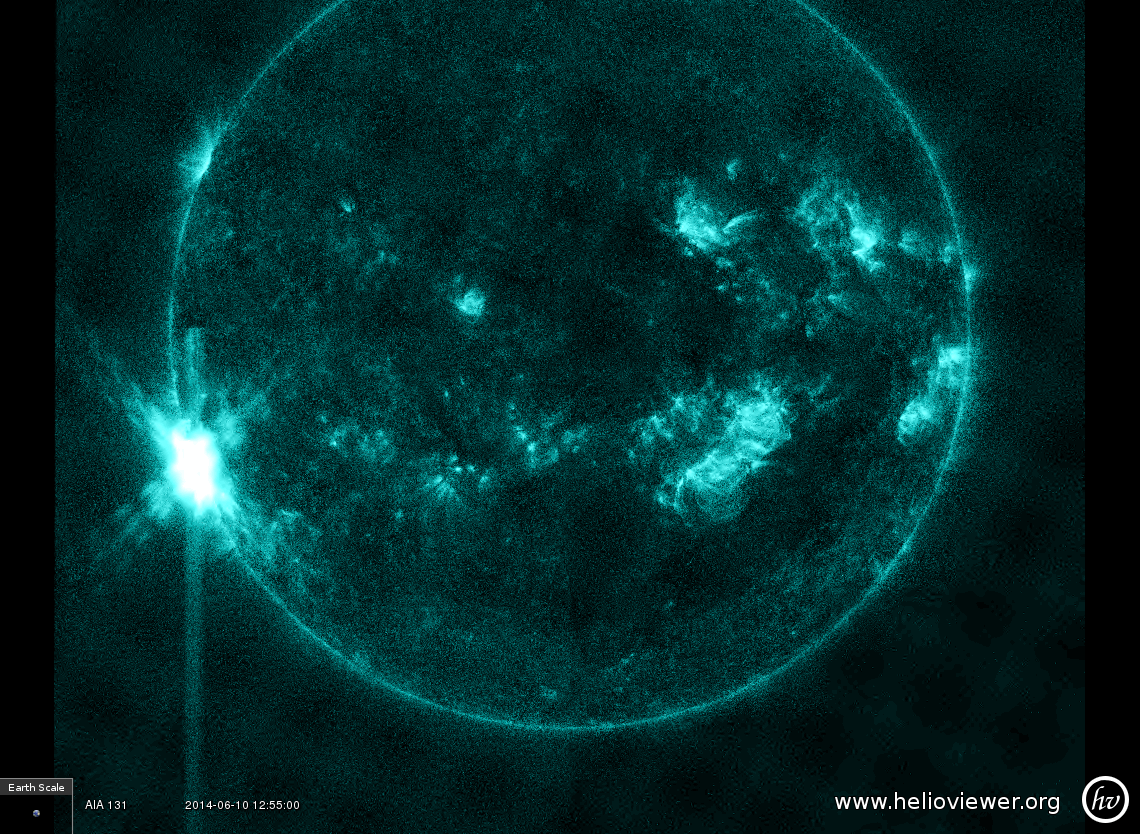
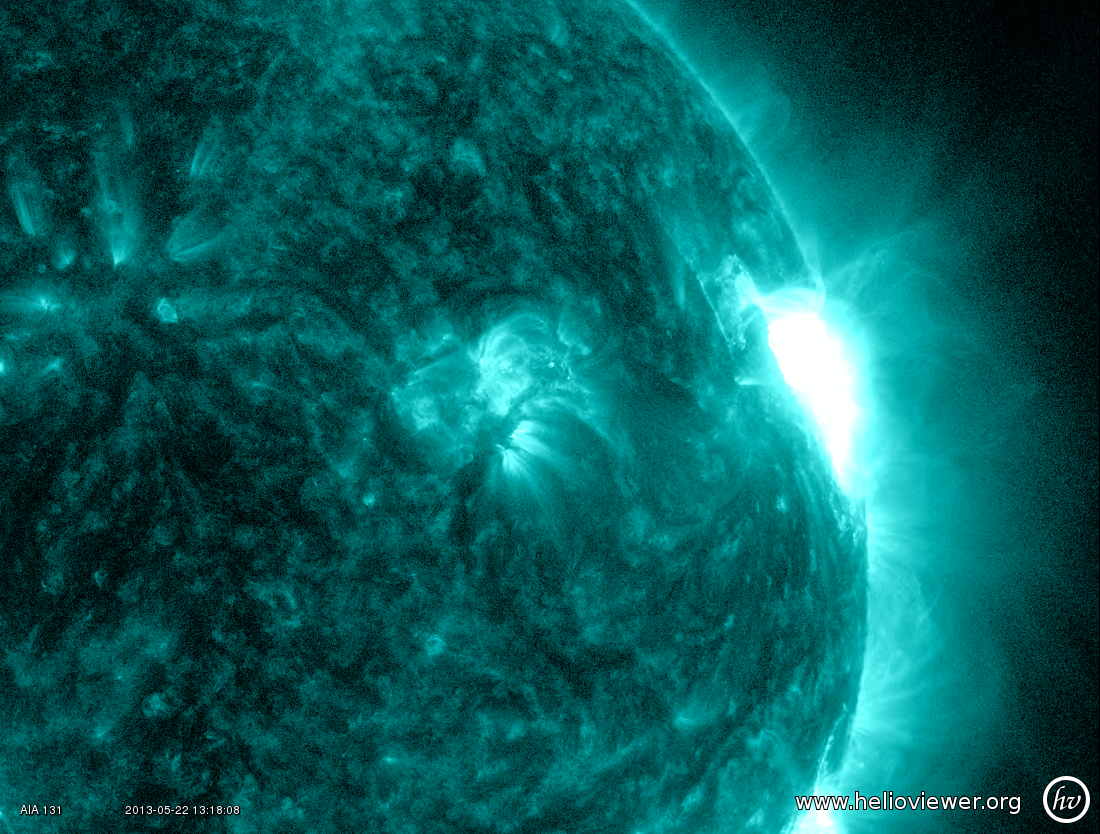
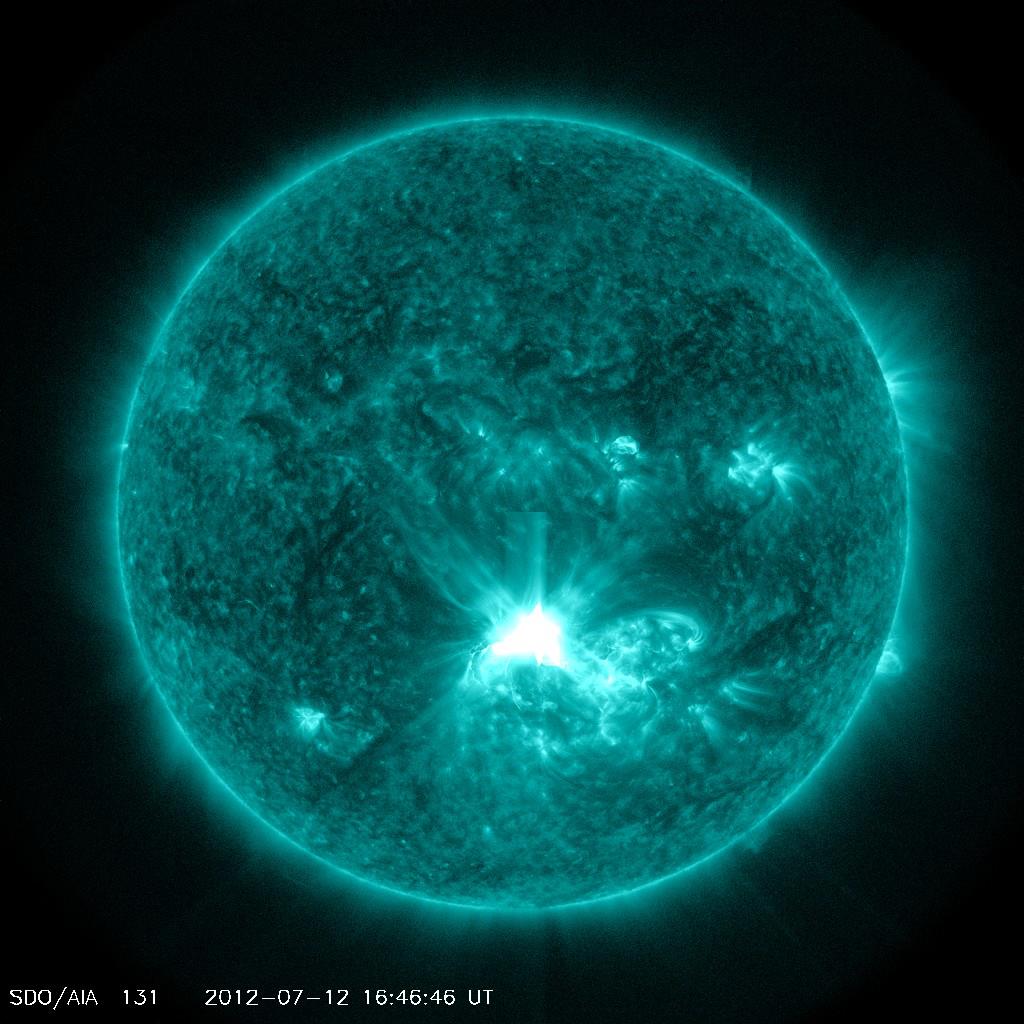
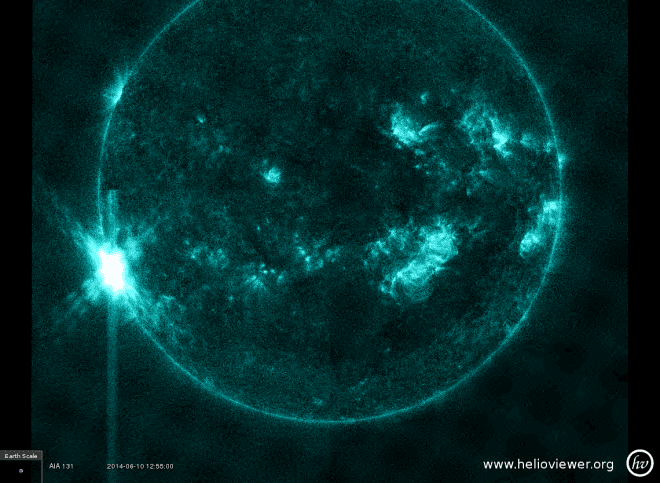
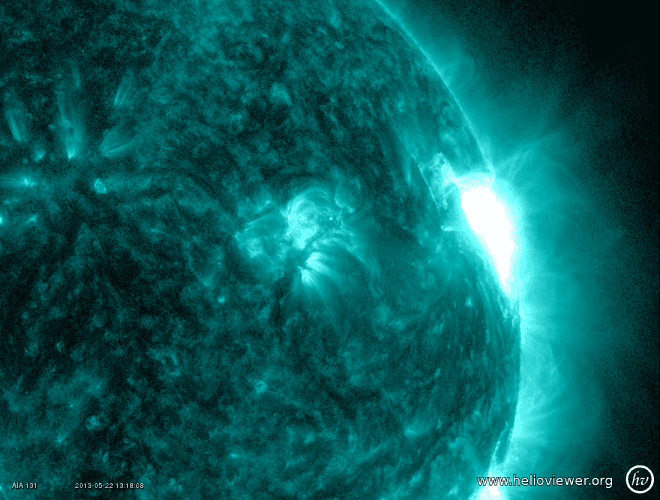
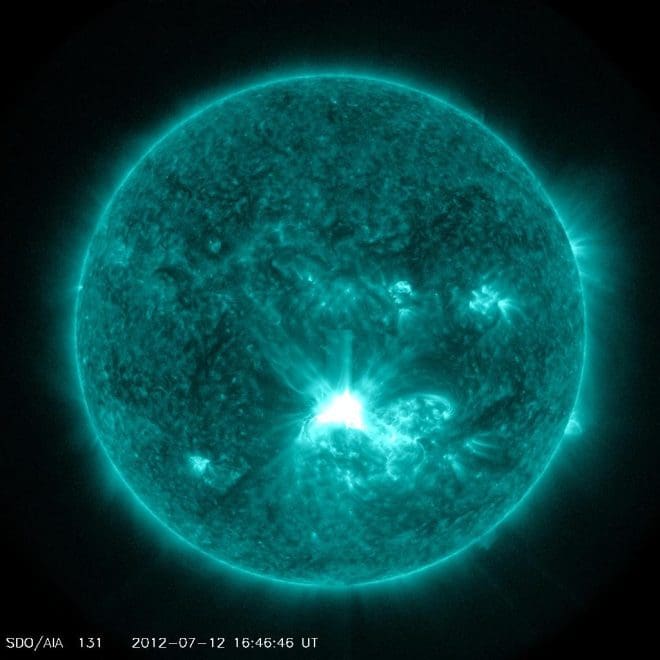
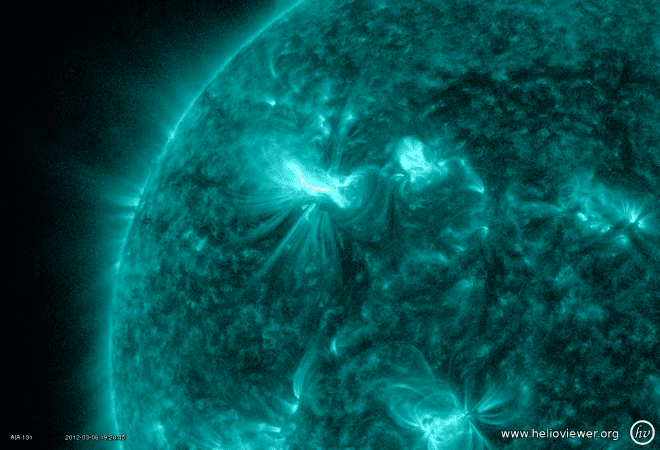
Just after the X2.2 AR12087 let out an X1.5 flare peaking at 12:52 UT. Here is a snapshot of the event using the SDO/AIA 131 angstrom channel. This shows plasmas with temperatures up to about 10 million Kelvin. http://youtu.be/cV5ccg3n_J0 The […]
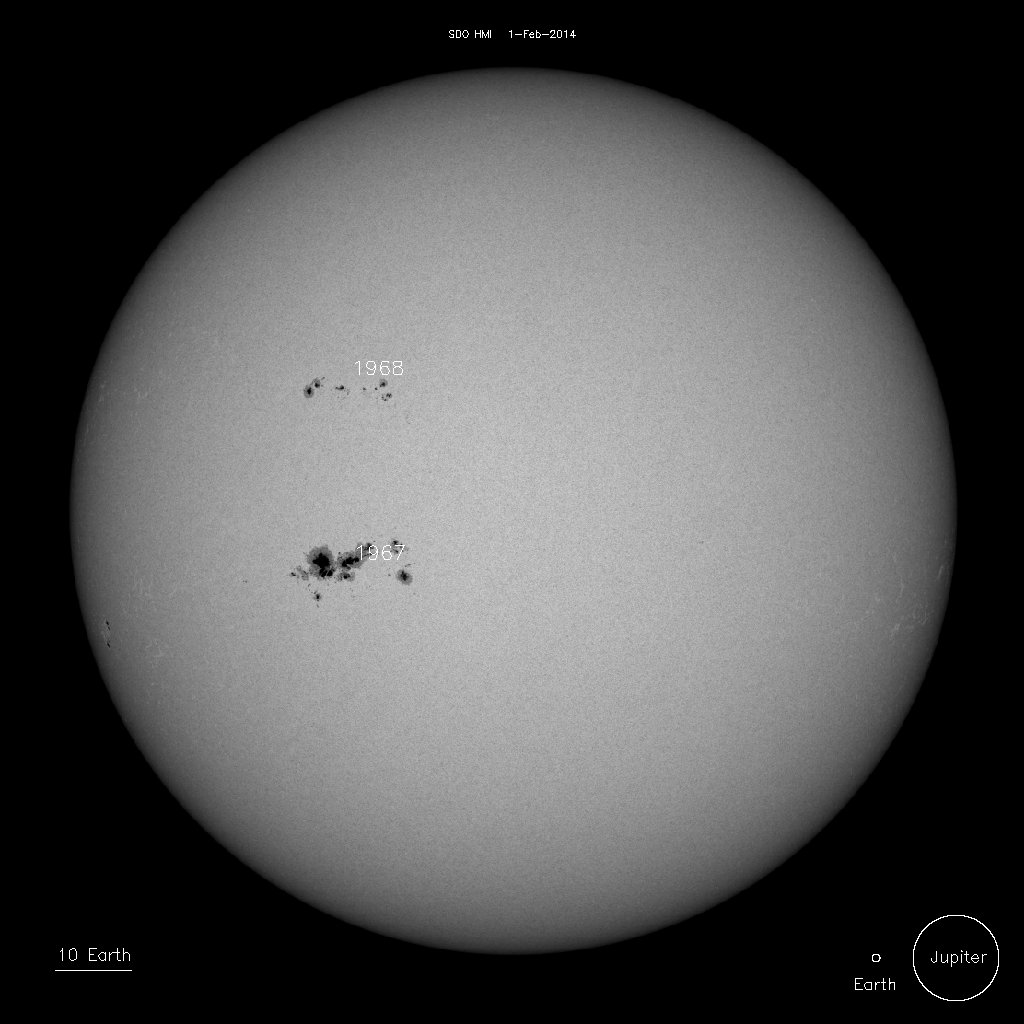
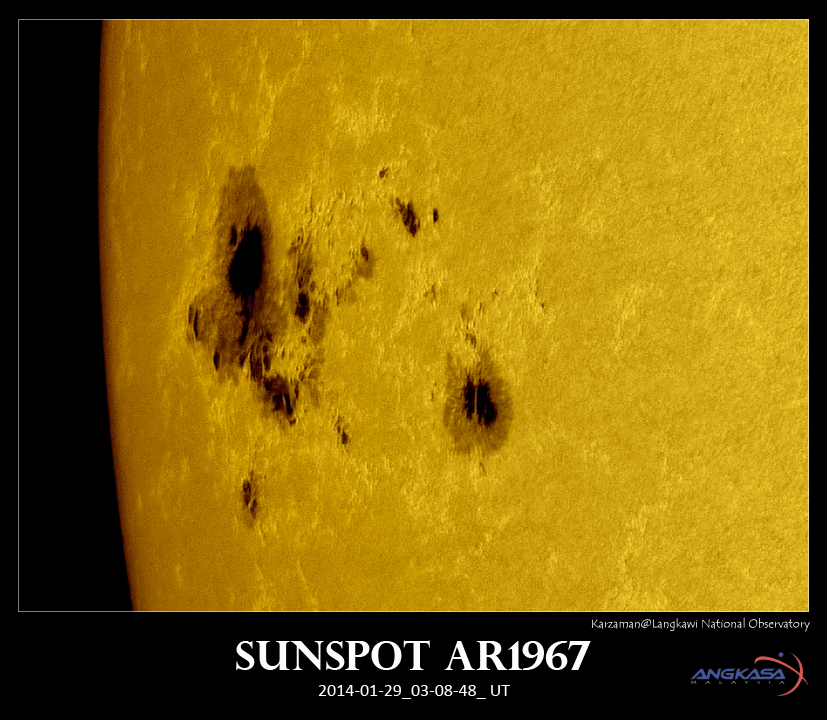
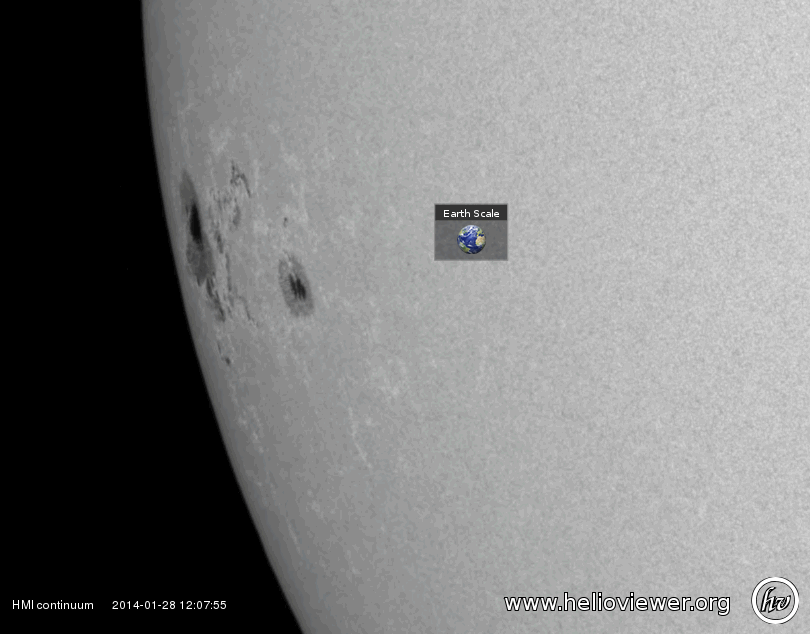
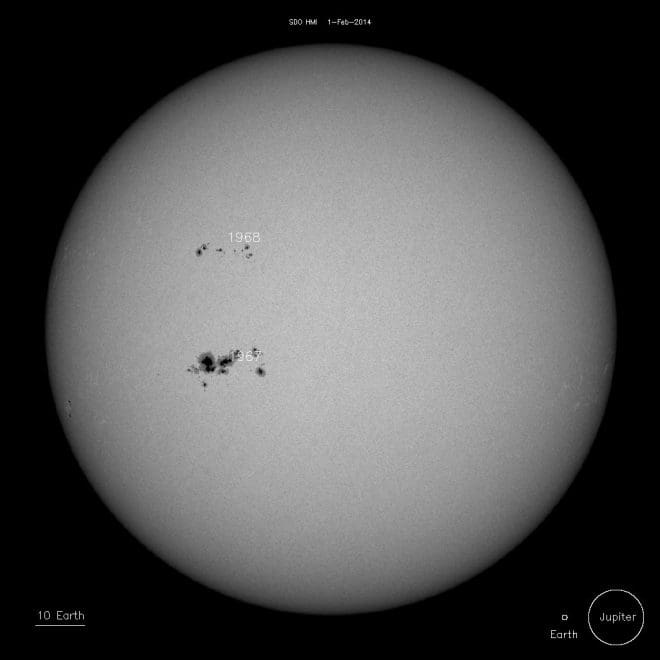
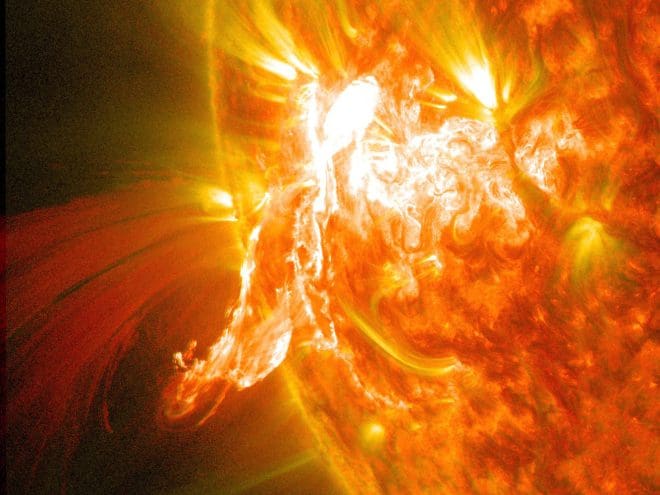
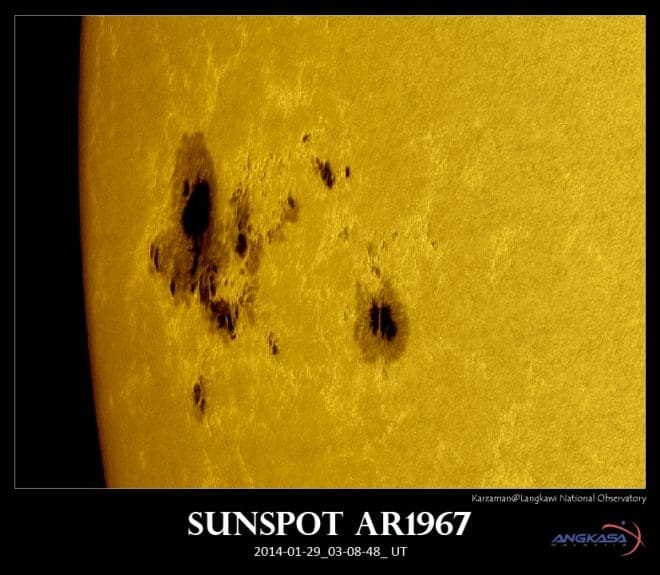
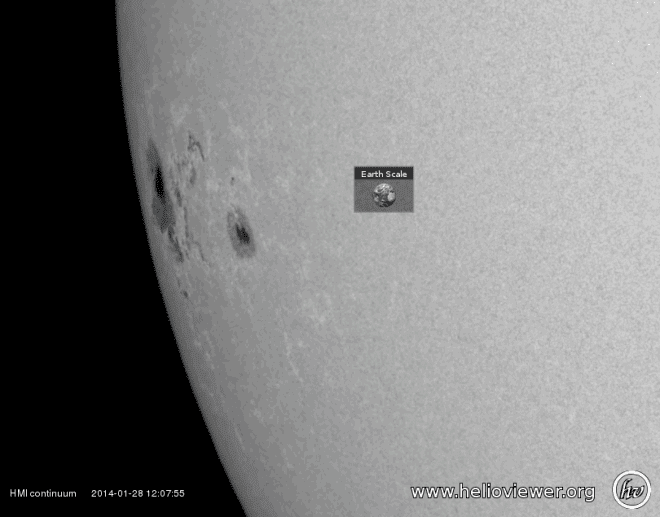
There are two main active regions (ARs 11967/11968) on the sun and both are giving a moderate show. AR11967 continues to produce C- and M-level events, including an M3.0 flare at 07:14 UT Feb. 1, 2014. The region continues to show signs […]
CME may impact Earth on Feb. 2, 2014 according to NASA SWRC research models. At 16:11 UT Jan. 30, 2014, an M6.6 flare from AR11967 peaked in the GOES X-ray monitor. This was about 15 minutes after the completion of an […]
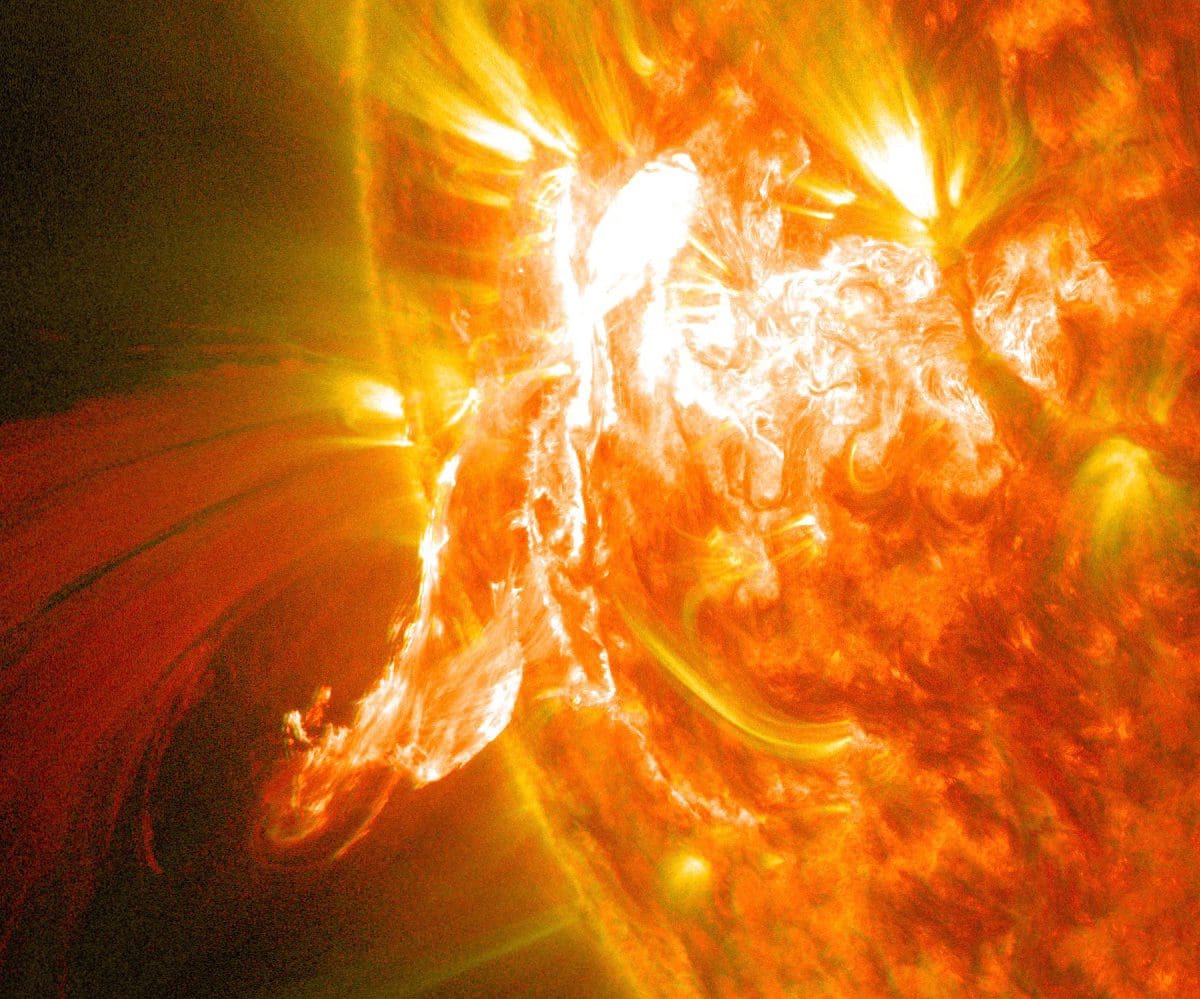
AR11967 continues to stay lively. In less than 24 hours on Jan. 28, it produced 7 M-class solar flares. The largest flare was an M4.9 at 19:00 UT. Here is a video of composite 304, 171 and 193 angstrom SDO/AIA […]
Sunspot group or active region AR11944 that gave us such a show at the beginning of the year is back. After taking its trip around the sun it has rotated onto the Earth facing solar disk and NOAA has labeled it […]
21:21 UT (5/23/2013) – Proton levels the eruption are still at the S2 NOAA alert level, down from S3. The particles are very apparent in SOHO/LASCO C2, showing up as “snow” on the images. 1:17 UT (5/23/2013) – Currently, a S2 […]
The active region that could, has again given us an X flare! That makes 4! 12:15 UT – The NASA GSFC Space Weather Research Center has estimated that the CME may give a glancing blow to Epoxi (~5/18/2013 06:00 UT) and […]
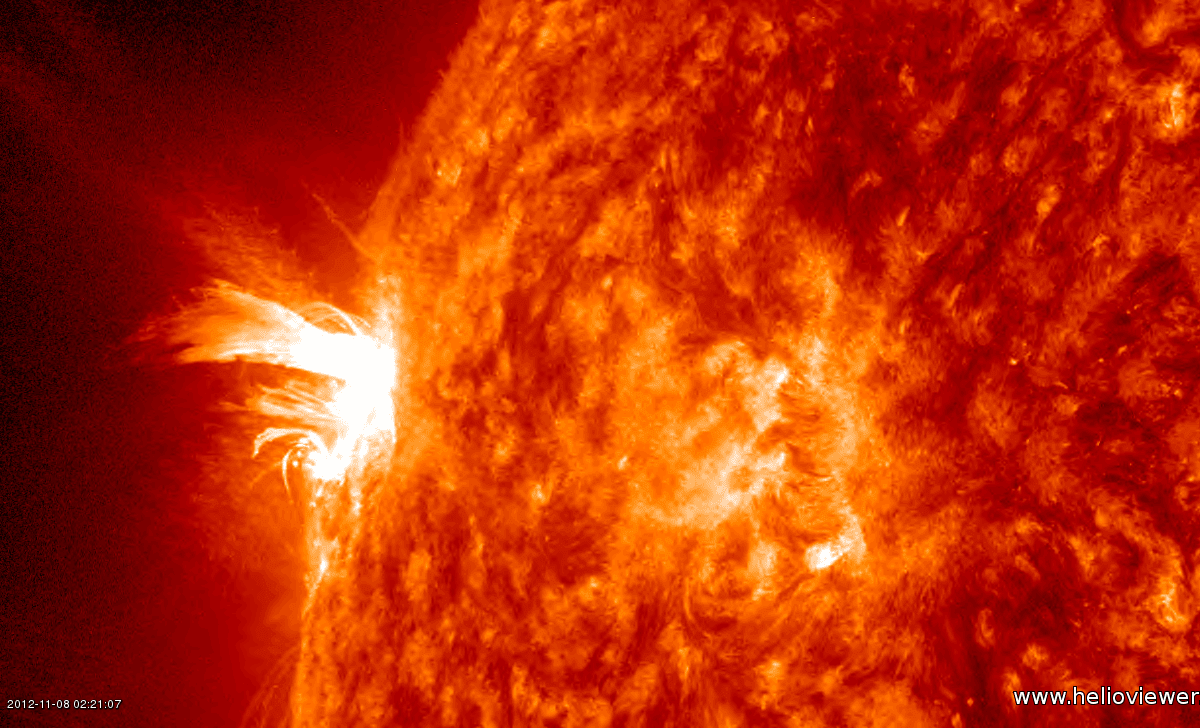
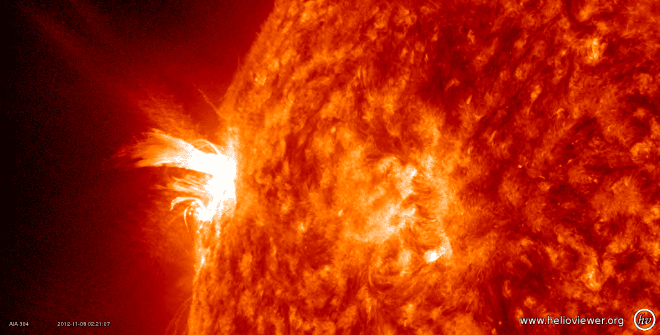
An M1.7 flare peaked at 02:23 UT, November 8, 2012. This is not really a big flare but everybody’s attention picks up when the activity level reached M-class (mine included). I don’t yet know where the event came […]
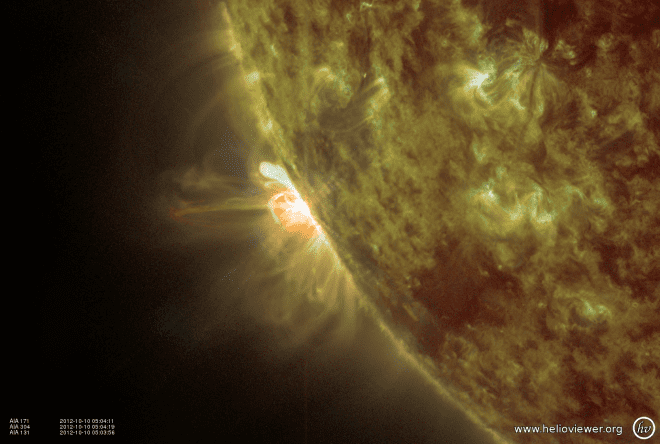
Two new active regions could bring solar activity, one numbered (AR11589) and one not yet on the solar disk. Based on recent activity M class flares are possible from both. The region just over the limb produced an M1 […]
Possible Moderate to Severe Geomagnetic Storm Sunspot group, AR11520, produced an X1.4 solar flare, peaking in the NOAA GOES X-ray monitor at 16:52 UT (12:52 EDT). This flash of electromagnetic radiation temporarily altered the upper atmosphere changing its ability to […]
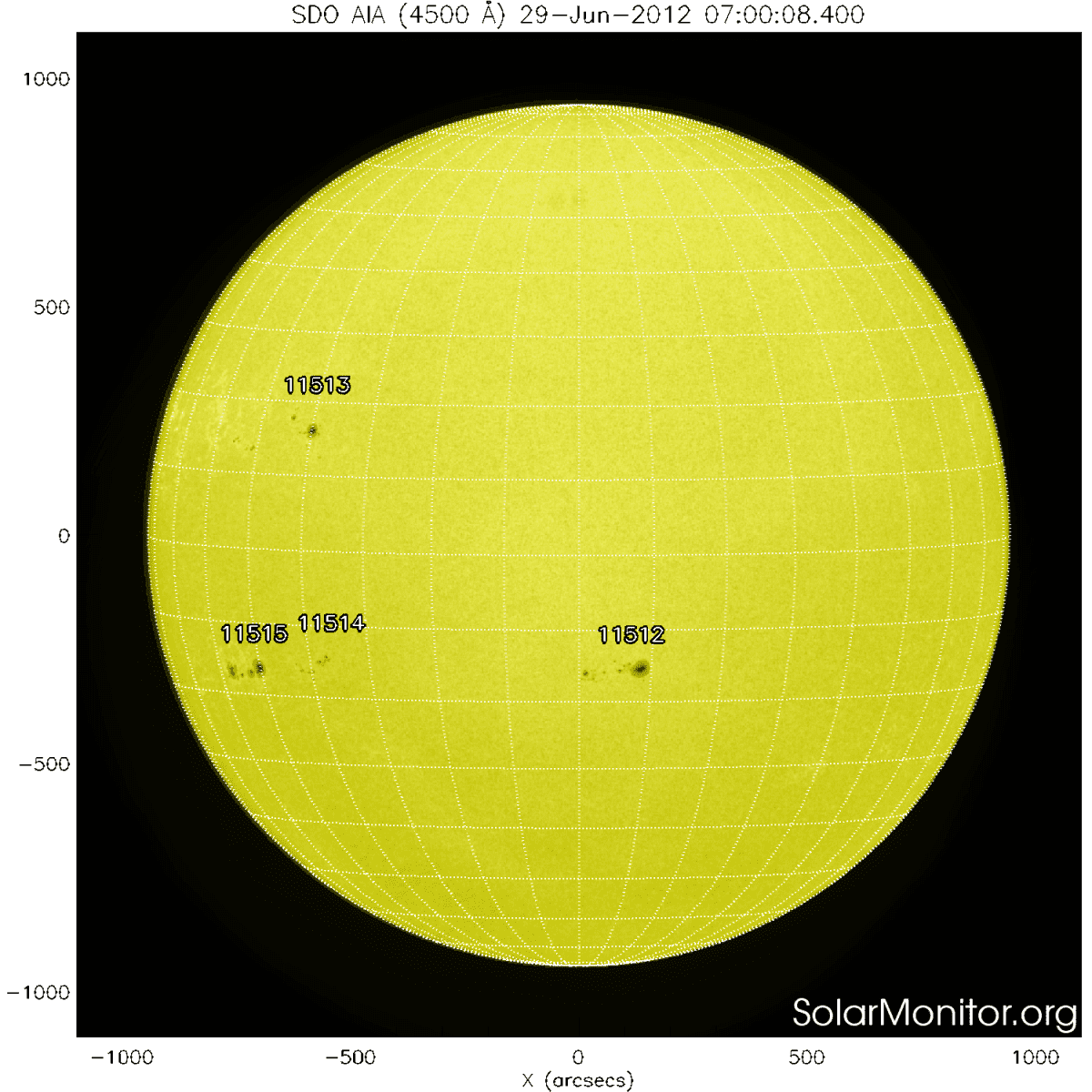
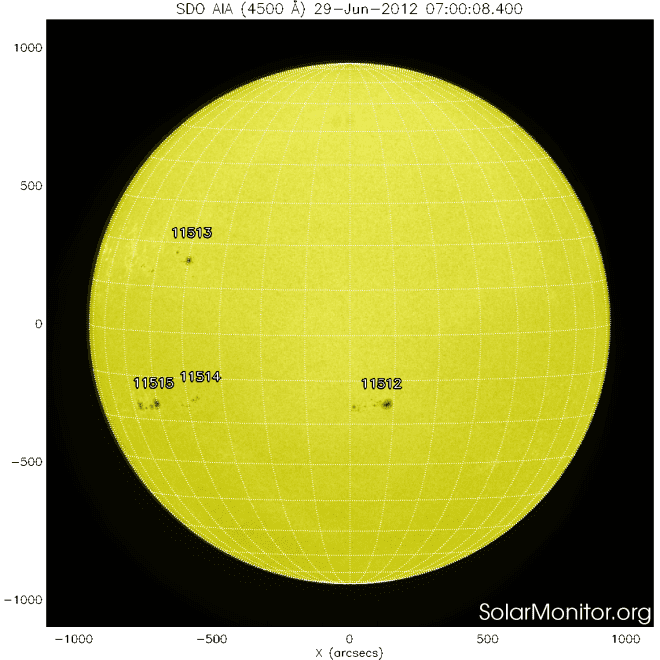
Over the past 24 hours, sunspot group AR11513 has increased in complexity, producing several C-class flares and 2 M-class flares, an M2.4 on June 28 at 16:07 and an M2.2 on June 29 at 9:10 UT . Both AR11513 and […]
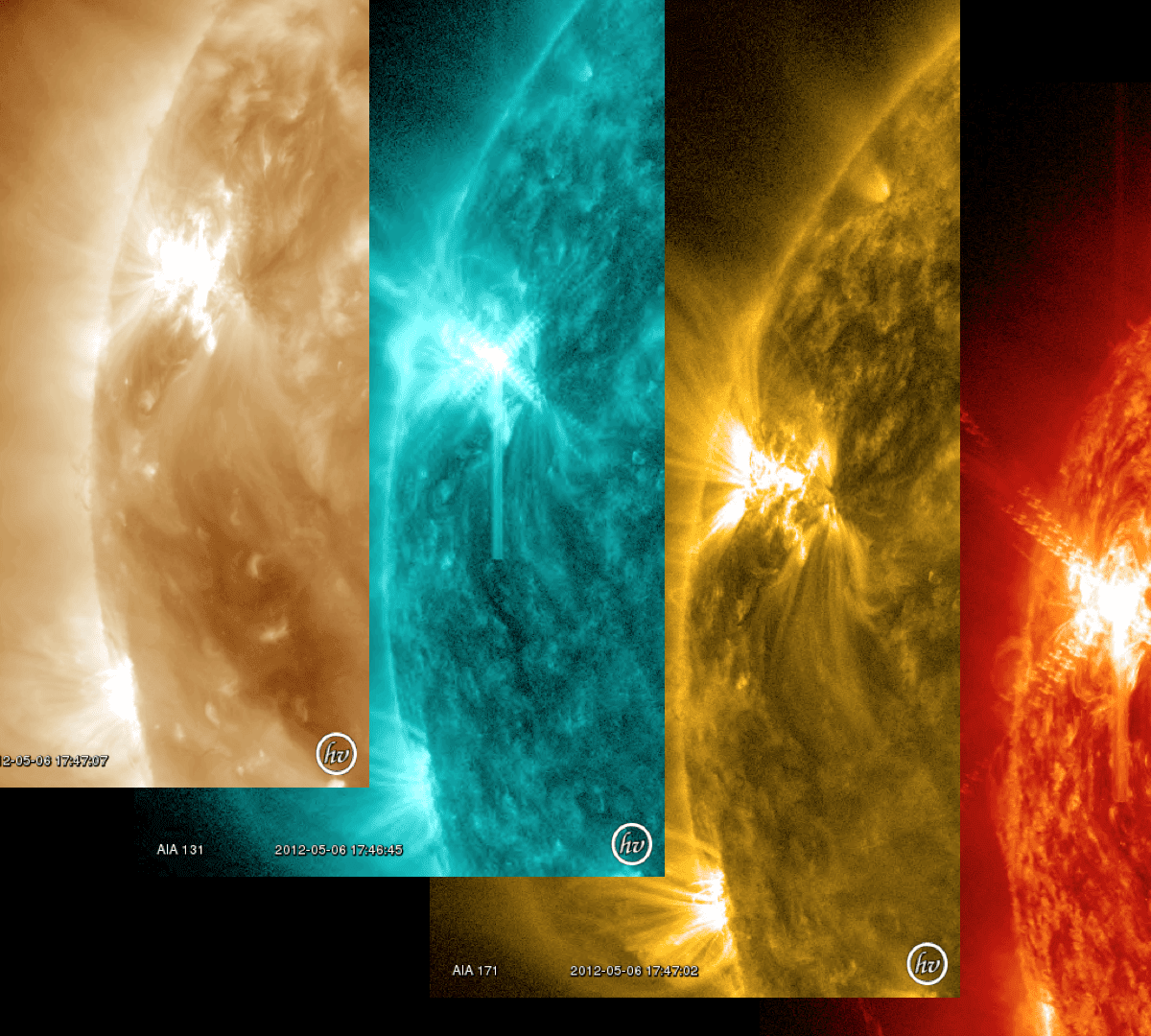
4 M-class Flares and More A new active region (AR11476) has been rotating into view during the beginning of May 2012. It has been producing CMEs and by May 5th it started releasing small M-class flares and lots of C-class […]
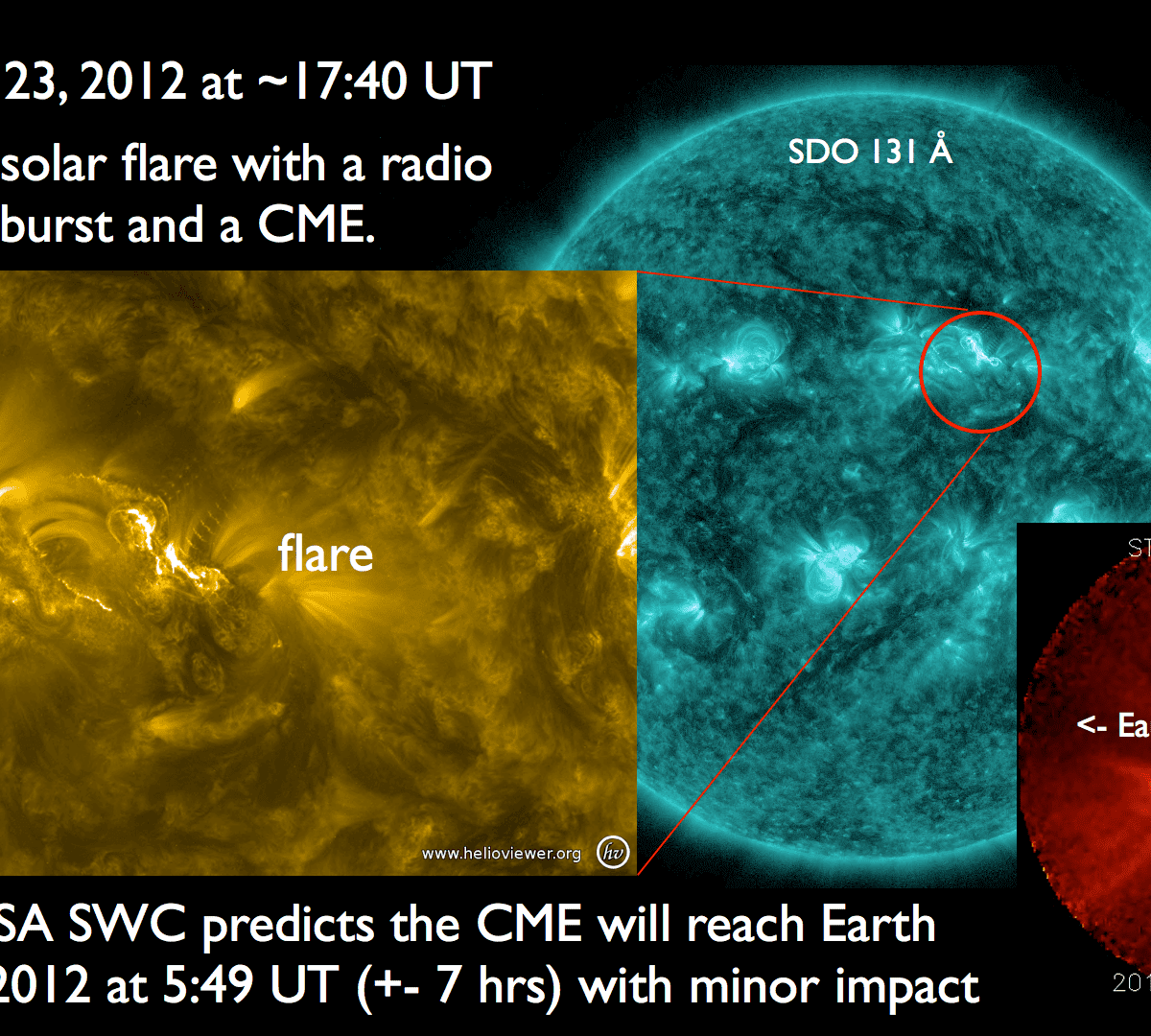
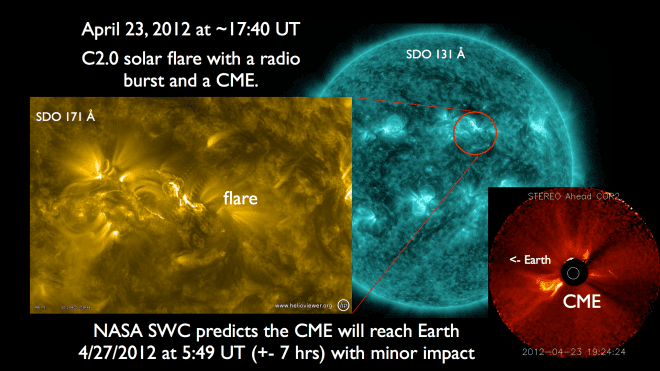
At 17:40 UT, the Sun produced a C2 solar flare with a radio burst and a SCORE-C CME. NASA Goddard Space Weather Center predicts it will reach Earth 4/27/2012 at 5:49 UT with only minor impact. Currently, there is a […]
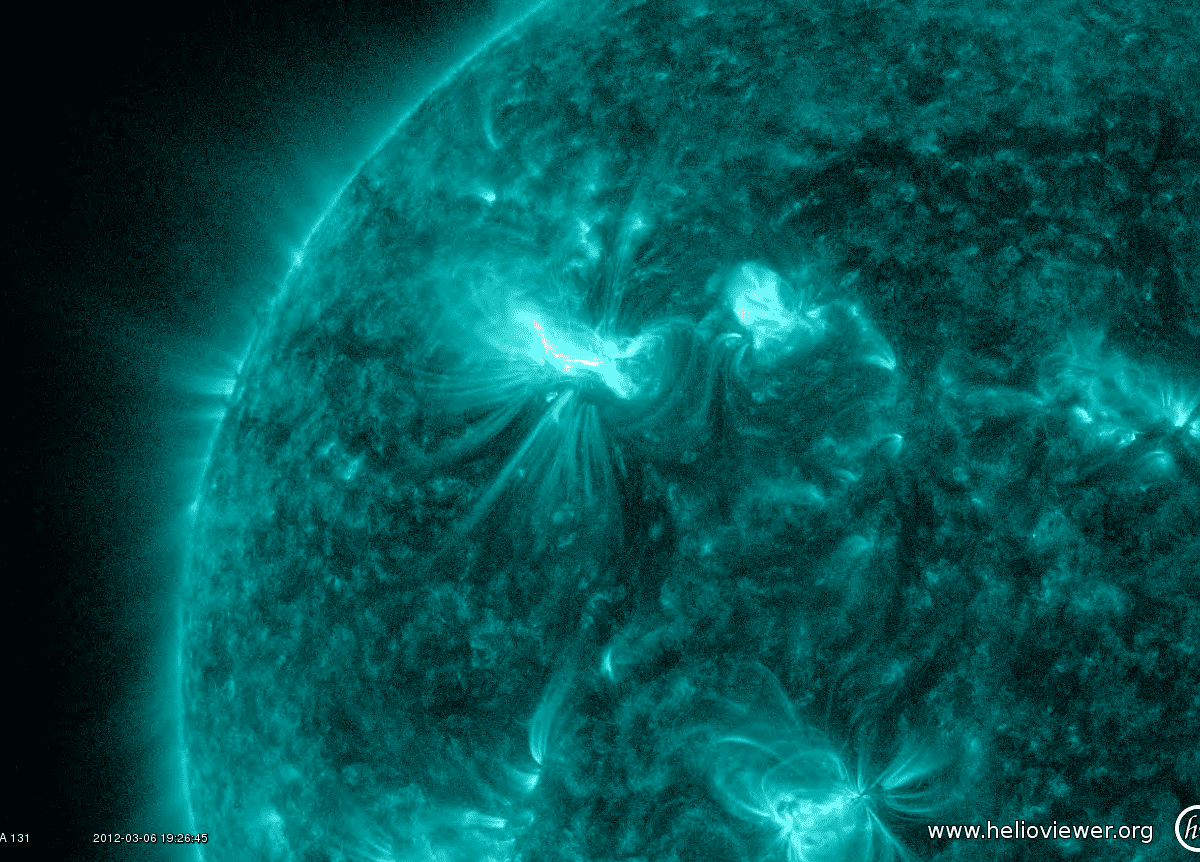
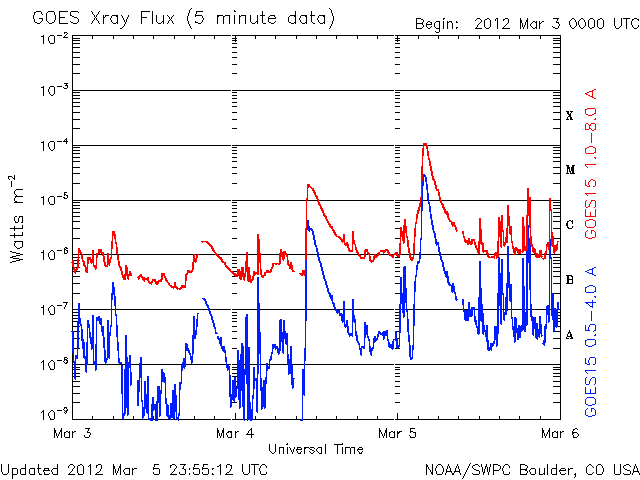
Sunspot group, AR11429 (Active Region), is at it again. When it first began its journey across the Earthward side of the Sun it released an M-class flare, an X-class flare and several more M flares, along with several CMEs. Early […]
Sunspot group, AR11429, started off its journey across the Earth facing side of the Sun with several bangs. First it produced an M flare on March 2 at 17:29 UT (with a CME) then came another M flare (with a […]
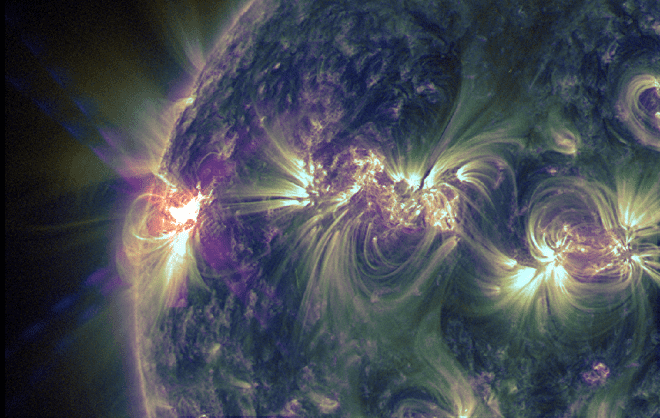
Sunspot group AR11429! Here is a look at AR11429 from Friday to today showing the 2 M-class and 1 X-class flare blasting away from the Sun. In addition to those events and their associated CMEs there is a lot of […]
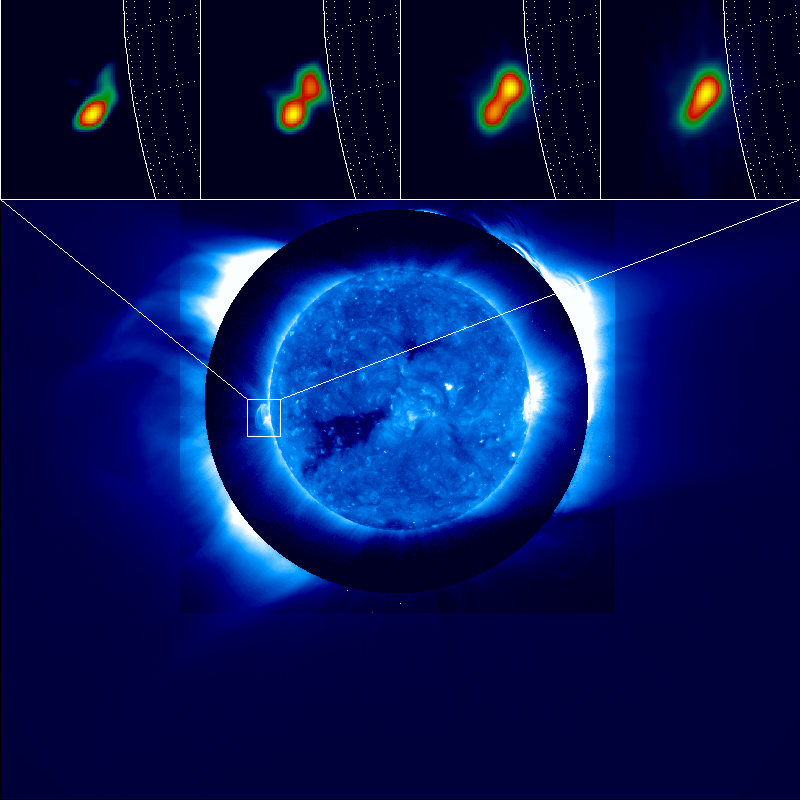
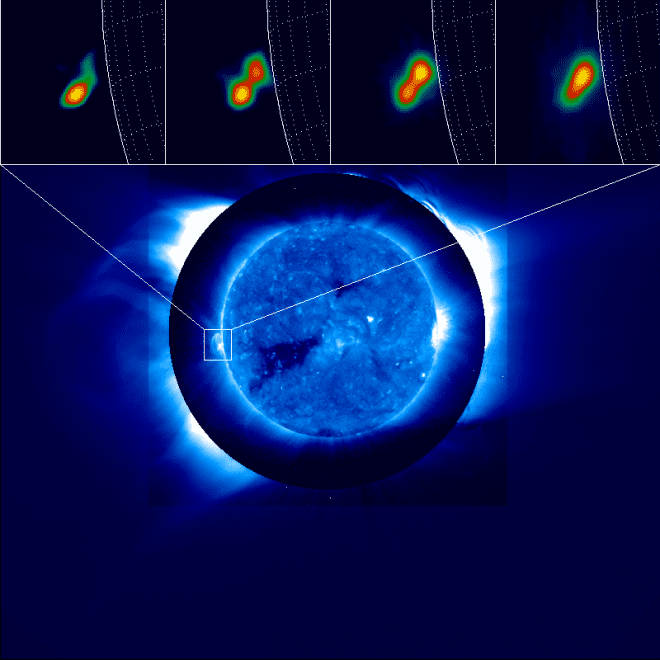
Ten years ago yesterday (5 February 2002) saw the launch of the Reuven Ramaty High-Energy Solar Spectroscopic Imager, or RHESSI (pronounced reh-see). RHESSI was designed to study particle acceleration and energy transport during solar flares by observing the highest energy […]
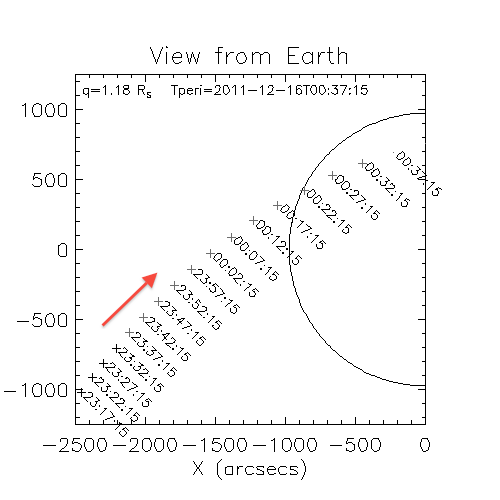
UPDATE: Lovejoy survived despite most predictions to the contrary! Check out the videos below. A sungrazing comet called Lovejoy is near what will surely be its end. Sungrazers melted by the Sun is not really new. In fact, SOHO has become […]
Solar Activity Solar activity was at low to moderate levels, with occurrences of several C-class flares and three M class flares (see the list below). Quite a few slow to moderate CMEs were detected emanating from different regions of the […]
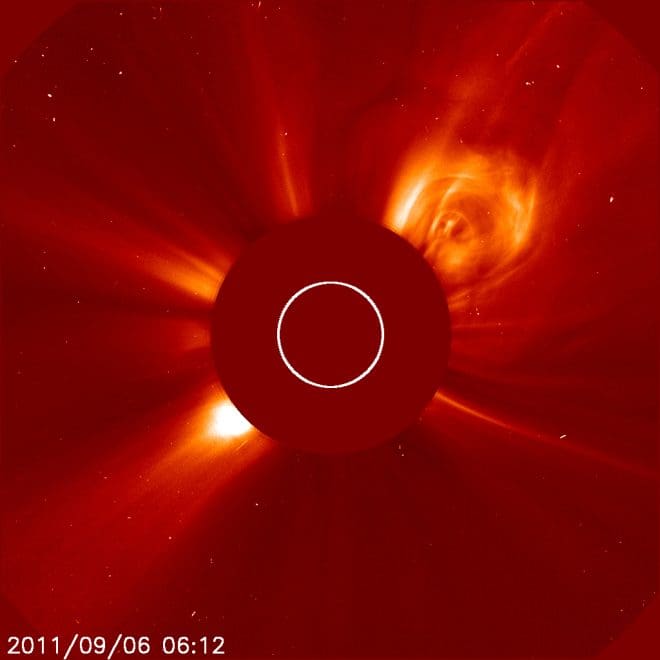
Saturday, October 22, 2011, started like most any other day, lots of activity of varying size and shape was occurring on the Sun. Most people looking at the Sun that day remember the spectacular lightbulb shaped CME that occurred […]
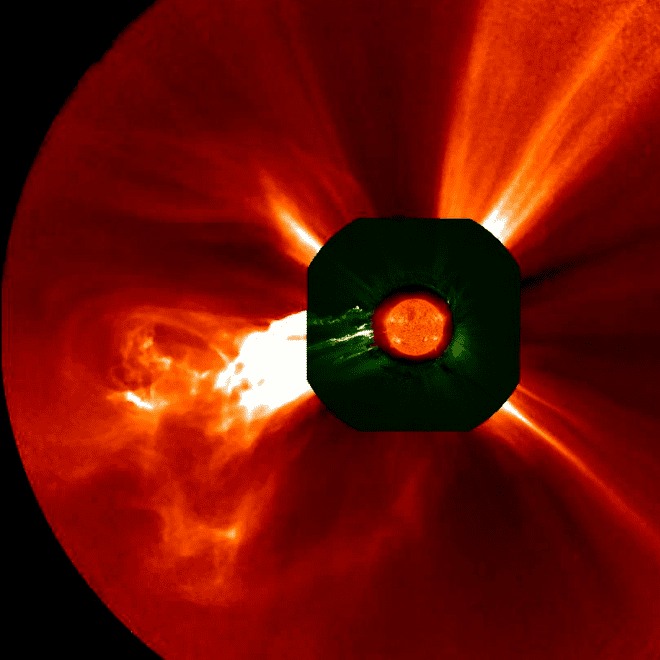
A spectacular filament eruption from June 7, 2011 captured by the STEREO Ahead spacecraft with EUVI 304, Cor1 and Cor2. Happy Birthday STEREO!! October 26 ,2011 is the 5th anniversary of the launch of the STEREO mission and […]
At 01:50 UT, sunspot group, AR11283, produced an M5 solar flare and CME (coronal mass ejection) from near the center of the solar disk. The CME appears to be moving at an angle away from a path straight towards […]
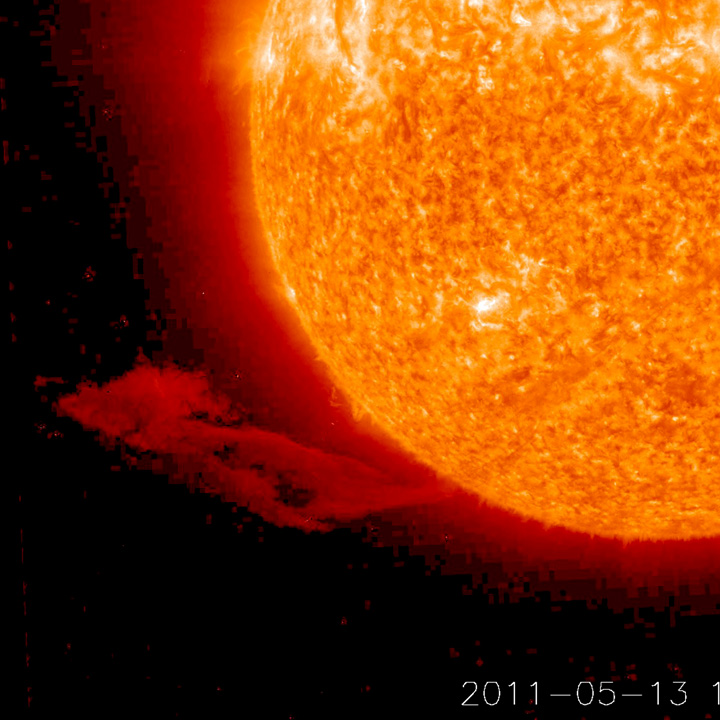
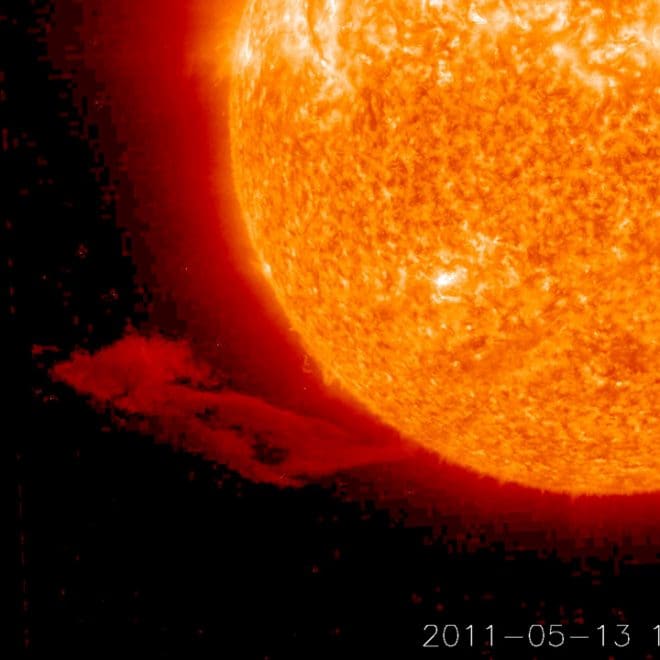
The STEREO (Ahead) spacecraft observed as a photogenic, solar prominence erupted and broke out into space over about 18-hour period (May 13, 2011). Prominences, notoriously unstable structures, are cooler clouds of gas that float above the Sun’s surface, tethered there […]
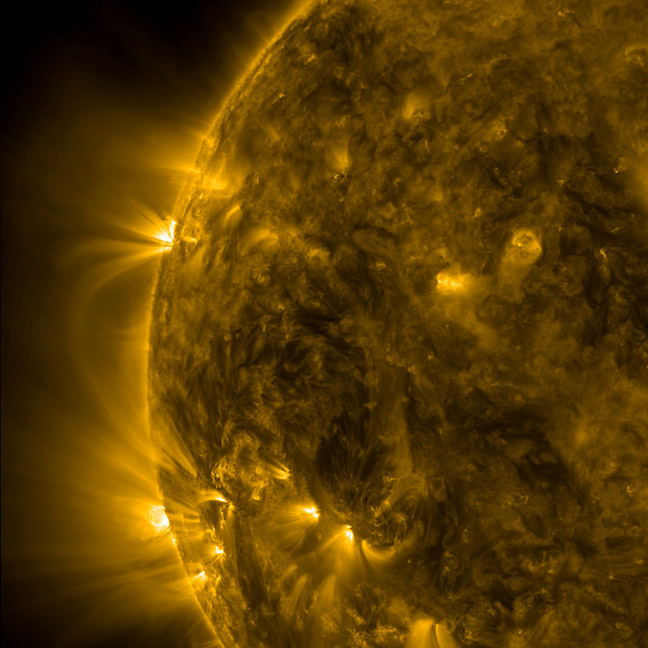
An extensive series of arcs, observed in profile, can be seen making a long distance connection between two active regions (Mar. 15-17, 2011). As SDO observed in extreme ultraviolet light, a series of magnetic field lines generated a well-defined pathway […]
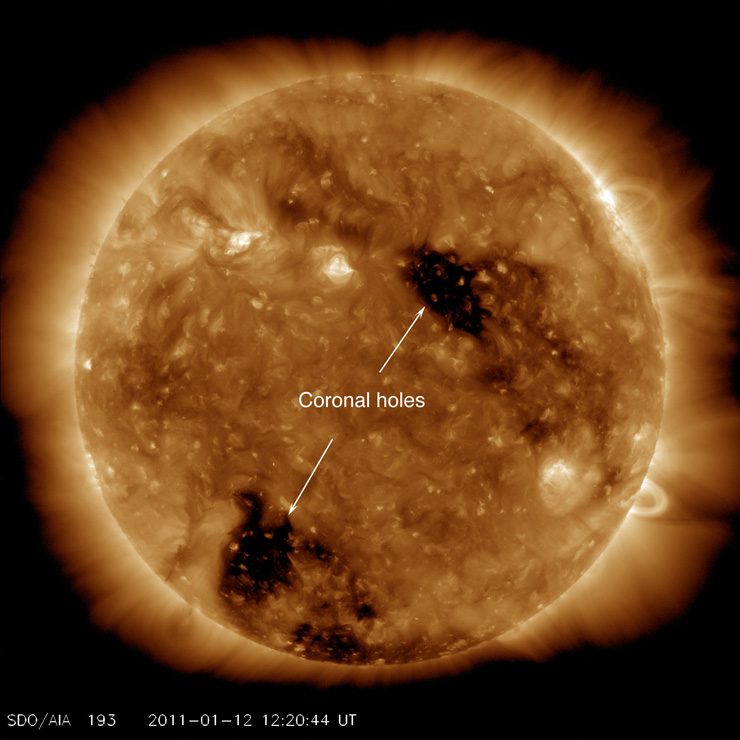
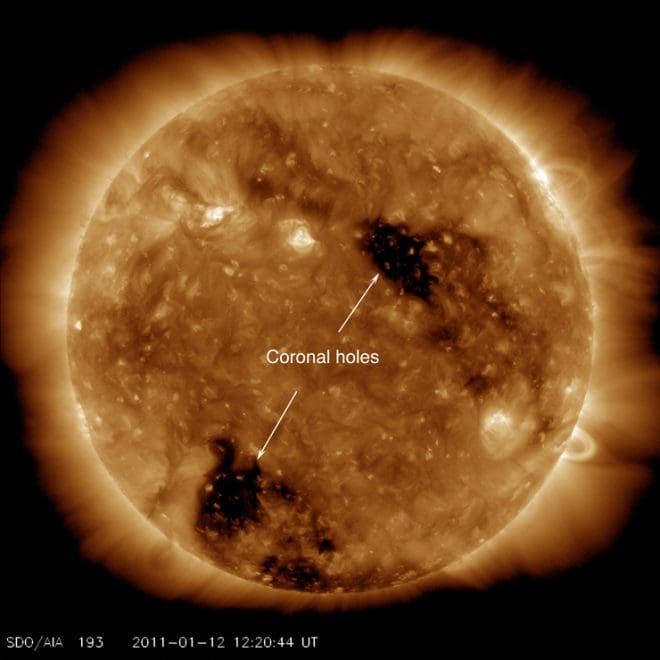
Two coronal holes that develop over several days stand out in this image and video clip of the Sun from SDO’s AIA instrument (Jan. 9-12, 2010). In the extreme UV wavelength of 193 Angstroms, one dark coronal hole intensifies just […]
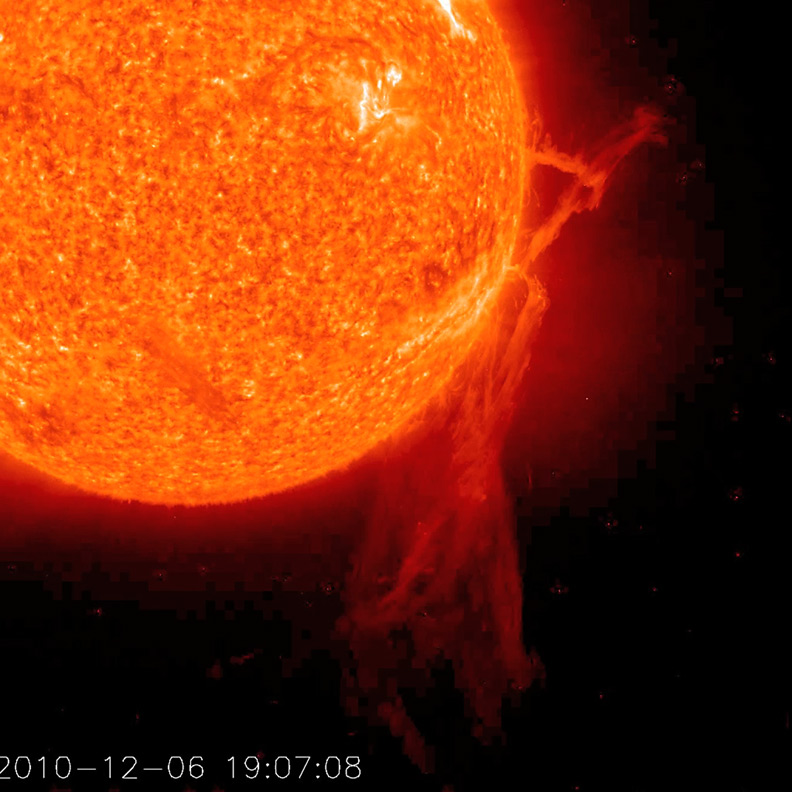
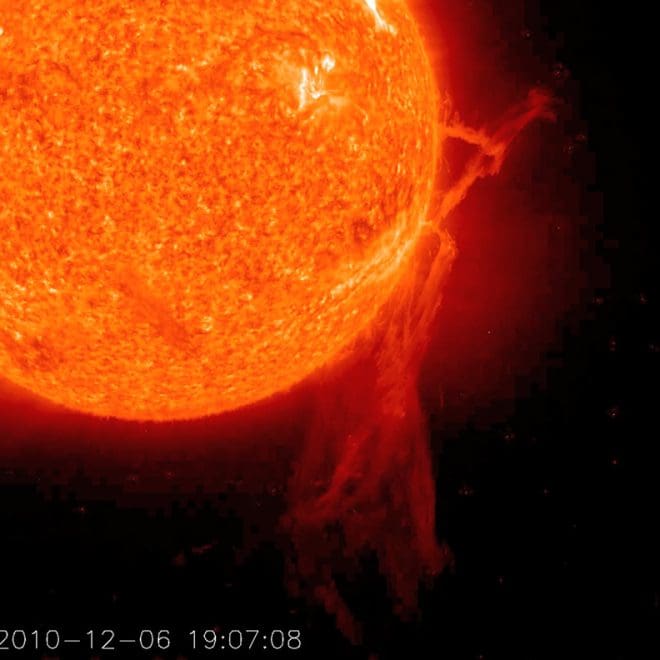
A very long solar filament that had been snaking around the Sun erupted (Dec. 6, 2010) with a flourish. STEREO (Behind) caught the action in dramatic detail in extreme ultraviolet light of Helium. It had been almost a million km […]
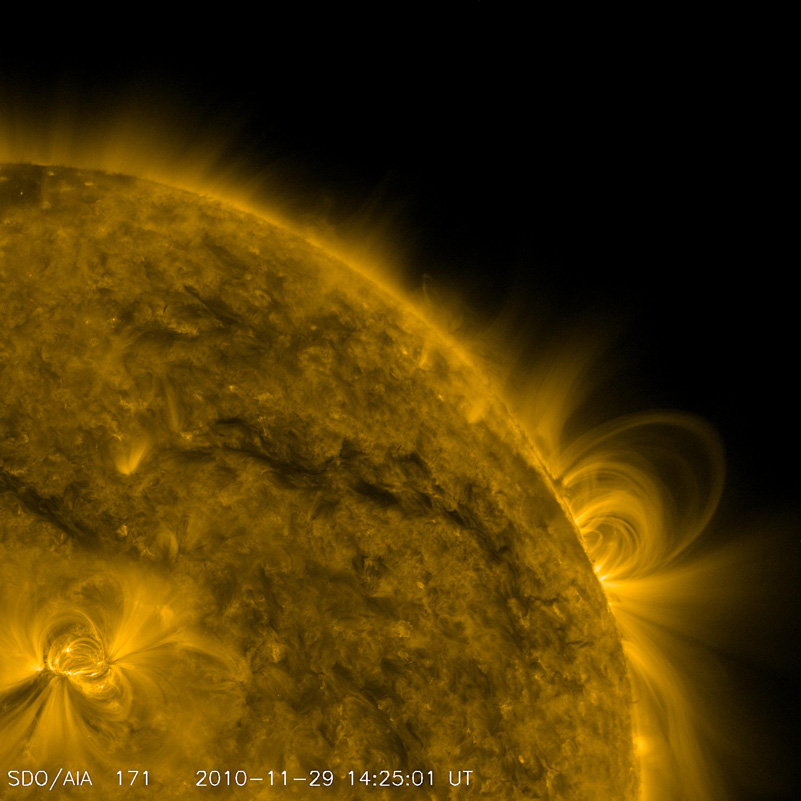
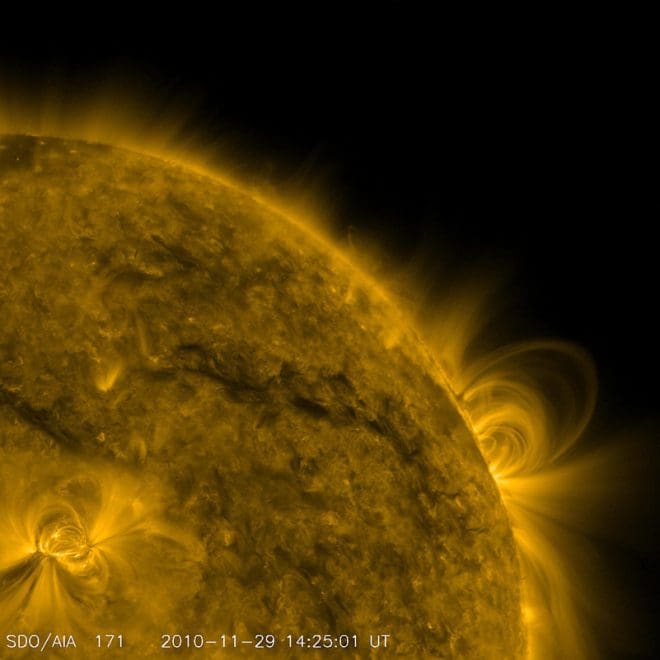
Arcing loops above an active region put on a slinky-like show for SDO, evidence of the dynamic, magnetic struggles taking place below (Nov. 28-30, 2010). Particles spiraling along magnetic field lines trace their paths as they gracefully shift and change. […]